High-risk business chargebacks can create serious problems for merchants. A few disputes may seem manageable at first, but too many chargebacks can lead to higher fees, stricter monitoring, held funds, or even account termination.
Businesses in industries like CBD, vape, nutraceuticals, travel, adult services, tattoo shops, online services, and higher-ticket retail often face more scrutiny from banks and card brands. That does not mean these businesses cannot process payments successfully. It means they need to be more proactive about reducing disputes and keeping clear transaction records.
The good news is that there are practical steps you can take to reduce chargebacks and protect your payment processing account.
Understand Why Chargebacks Happen
Most chargebacks happen because the customer either does not recognize the transaction, is unhappy with the product or service, claims they did not receive what they purchased, or believes the charge was unauthorized.
Common chargeback reasons include:
- Fraud or unauthorized use
- Confusing billing descriptors
- Customer dissatisfaction
- Slow shipping or unclear delivery timelines
- Poor communication
- Refund policy confusion
- Subscription or recurring billing disputes
- Lack of documentation when a dispute occurs
The first step is understanding where disputes are coming from. Once you know the cause, you can tighten up your process and reduce the chances of the same issue happening again.
1. Use Clear, Accurate Billing Descriptors
Your billing descriptor is the name customers see on their card statement. If the descriptor does not match your business name, website, or receipt, the customer may not recognize the charge and could file a dispute.
For high-risk businesses, this is especially important because customers may be quicker to question charges they do not immediately recognize.
Your descriptor should be:
- Clear
- Recognizable
- Close to your business name
- Consistent with your website and receipts
- Easy for customers to connect to the purchase
A confusing descriptor can create unnecessary chargebacks even when the customer did make the purchase.
2. Make Refund and Cancellation Policies Easy to Find
Many disputes happen because customers are unclear about refunds, cancellations, deposits, or recurring charges.
Your refund policy should be easy to find on your website, invoices, receipts, and checkout pages. Customers should know what to expect before they pay.
Important policies to clarify include:
- Refund windows
- Cancellation rules
- No-show fees
- Deposit terms
- Subscription billing terms
- Shipping and delivery expectations
- Final sale items
The goal is to avoid surprises. When customers understand the rules upfront, they are less likely to bypass you and go directly to their bank.
3. Keep Detailed Transaction Records
Good documentation can make a big difference if a chargeback happens. You want to be able to show what was purchased, when the customer paid, how the item or service was delivered, and what communication took place.
Helpful records include:
- Receipts
- Signed agreements
- Invoices
- Delivery confirmation
- Tracking numbers
- Email or text confirmations
- Customer authorization records
- Refund and cancellation policy acceptance
- Notes from customer conversations
For service businesses, appointment-based businesses, and custom work, documentation is especially important. A clear paper trail can help protect your business when a customer disputes a legitimate transaction.
4. Communicate Before the Customer Disputes
Many chargebacks could be avoided with better customer communication. If a customer is confused, frustrated, or unsure about a charge, they may contact their bank instead of contacting your business.
Make it easy for customers to reach you.
Your receipts, invoices, and website should include:
- Business name
- Phone number
- Email address
- Website
- Refund policy
- Order or appointment details
Responding quickly to customer questions can prevent a small issue from turning into a chargeback. For high-risk businesses, strong customer support is one of the simplest ways to lower disputes.
5. Be Careful With Recurring Billing and Deposits
Recurring billing, memberships, deposits, and retainers can create chargeback risk when customers forget they agreed to the payment or do not understand the terms.
Before charging a customer, make sure they clearly understand:
- The amount being charged
- When they will be charged
- Whether the payment is recurring
- How to cancel
- Whether deposits are refundable
- How the deposit applies to the final balance
For recurring billing, reminders can help. Sending a notice before the next charge gives customers a chance to update payment information or cancel before they dispute the transaction.
6. Use the Right Payment Setup
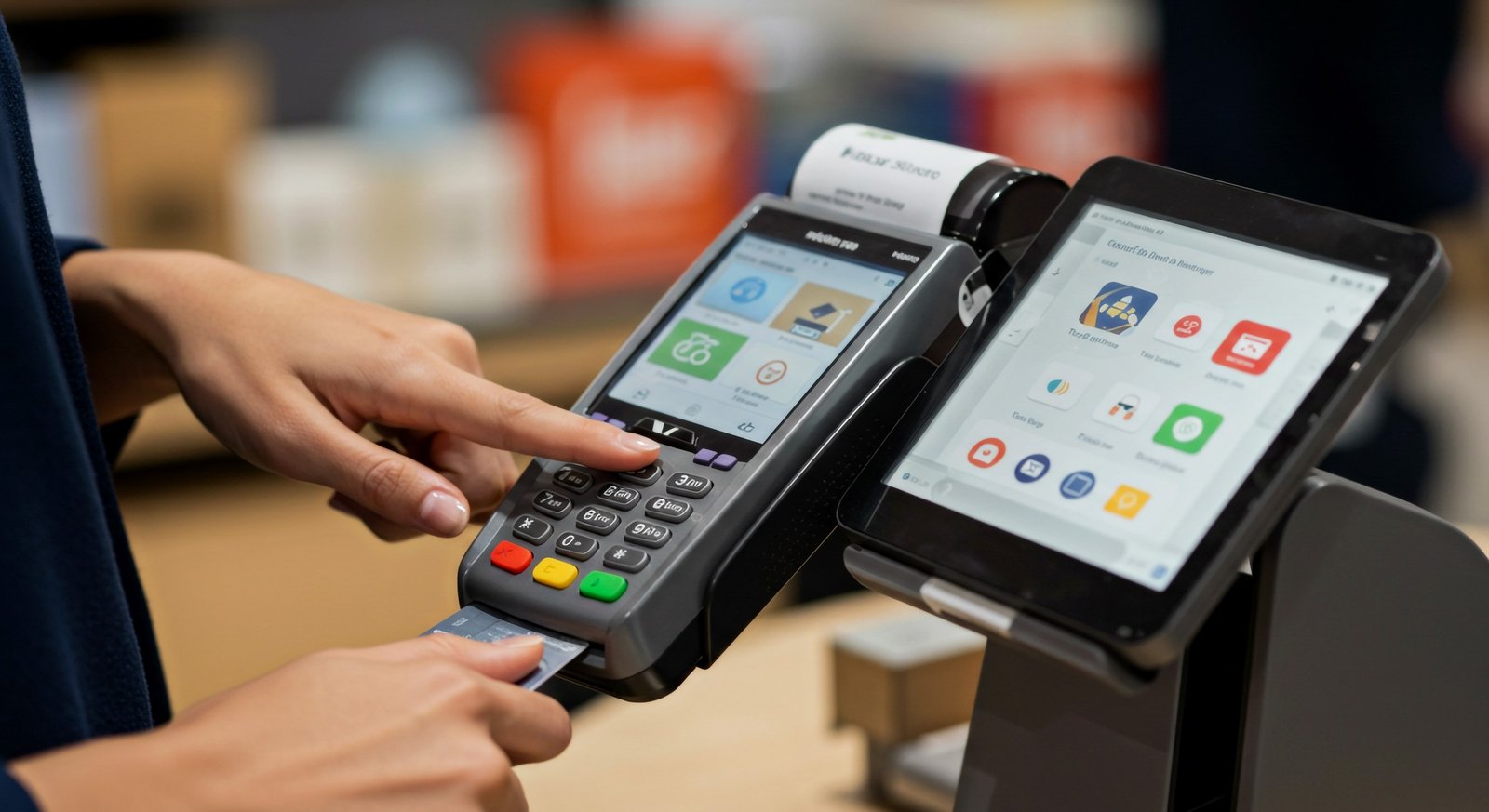
The right payment setup can help reduce chargebacks by making transactions more transparent and easier to track.
Depending on your business, useful tools may include:
- EMV chip card terminals
- Tap-to-pay options
- Online invoices
- Payment links
- Virtual terminals
- Digital receipts
- Customer signatures
- Detailed transaction reporting
- Card-on-file tools
A better payment setup does not just help you accept cards. It helps you stay organized, keep records, and respond faster if a dispute happens.
7. Review Your Chargeback Ratio
High-risk businesses should pay close attention to their chargeback ratio. This is the number of chargebacks compared to the number of transactions processed.
If chargebacks start increasing, do not wait until your processor contacts you. Review the cause early and make changes.
Look for patterns such as:
- The same product or service causing disputes
- Customers not recognizing the billing descriptor
- Shipping delays
- Poor refund communication
- Subscription confusion
- Staff not explaining policies clearly
Finding the pattern is the first step toward fixing the issue.
Final Thoughts
High-risk business chargebacks are not always avoidable, but they can often be reduced with better communication, clearer policies, stronger documentation, and the right payment tools.
Suncoast Payments helps business owners review their payment setup, understand processing risks, and explore solutions designed around how their business actually operates.
Want to review your current processing setup? Contact Suncoast Payments for a free statement review.