
Quick Summary: Small businesses can increase purchasing convenience by accepting several payment methods across physical and digital channels. Credit cards, contactless payments, mobile wallets, online gateways, payment links, installment services, and bank transfers each serve different customer preferences. Selecting a balanced payment mix can reduce checkout friction, support recurring transactions, and help businesses capture sales from customers using varied payment habits.
Choosing the right small business payment options can influence how easily customers complete purchases, especially when shoppers expect convenient ways to pay. Businesses that accept several payment methods can accommodate different preferences across physical stores, websites, mobile operations, and remote transactions. A thoughtful payment strategy can also support customer satisfaction while helping businesses capture sales opportunities that could otherwise disappear.
Payment acceptance has become increasingly flexible, giving small businesses access to technologies once associated primarily with larger companies. From traditional card transactions to digital wallets and remote billing, each method can serve a different customer situation. The best approach depends on transaction volume, sales channels, customer preferences, operating requirements, processing costs, and the level of support needed for daily payment activities.
Credit and Debit Card Payments
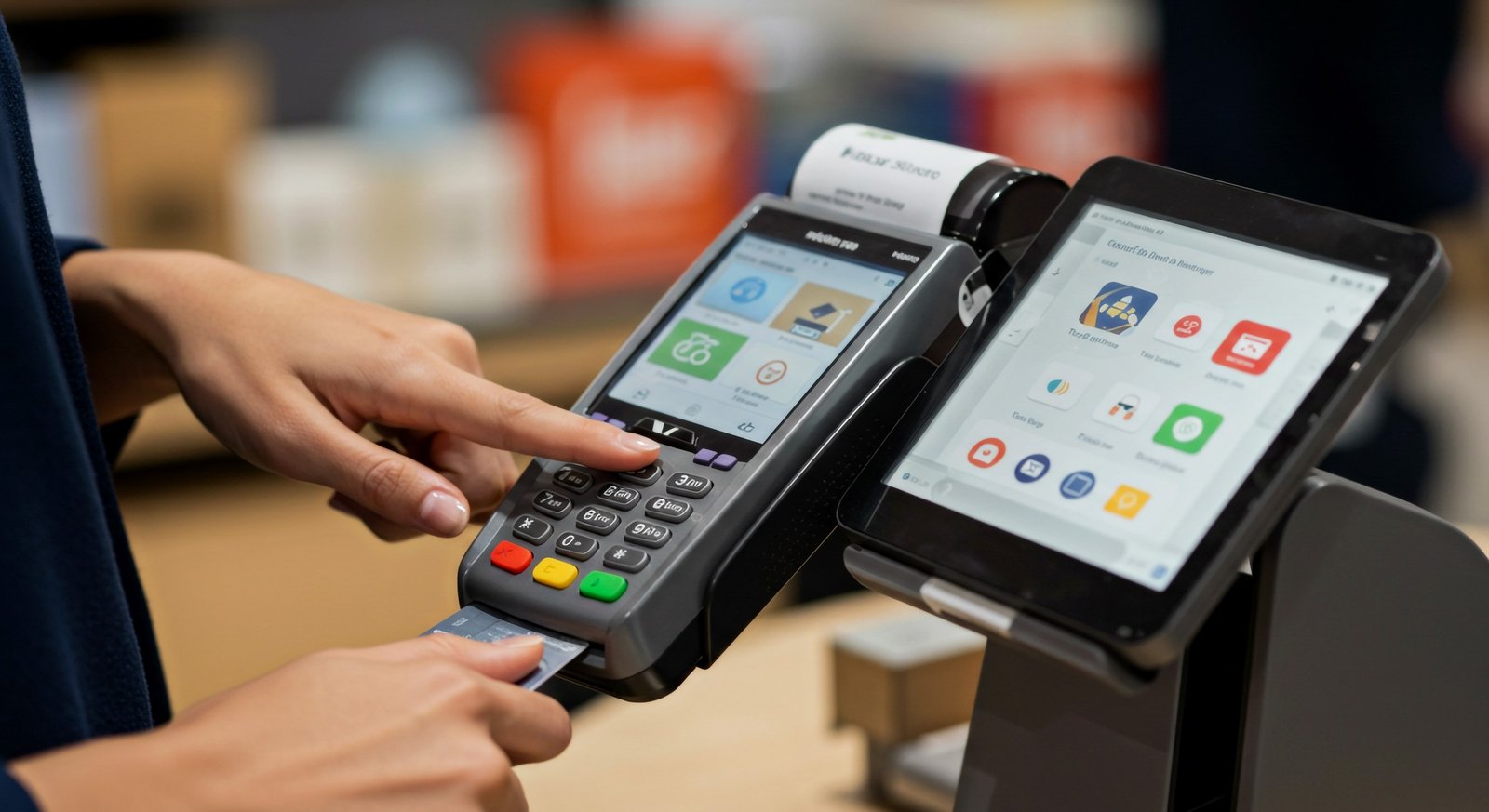
Credit and debit cards remain fundamental payment methods for small businesses because customers commonly expect card acceptance during everyday purchases. Card processing can support storefront transactions, service payments, online purchases, and other customer interactions where convenient electronic payment acceptance matters. Businesses can select processing equipment and account arrangements based on transaction patterns, operating requirements, and customer expectations.
A dependable card acceptance setup can also help businesses create smoother checkout experiences while reducing reliance on cash transactions. Merchants should review processing rates, account fees, equipment expenses, contract terms, and support services before selecting a processor. Clear pricing and straightforward communication can help businesses understand their payment costs while building a processing arrangement that supports sustainable operations.
Contactless Payments
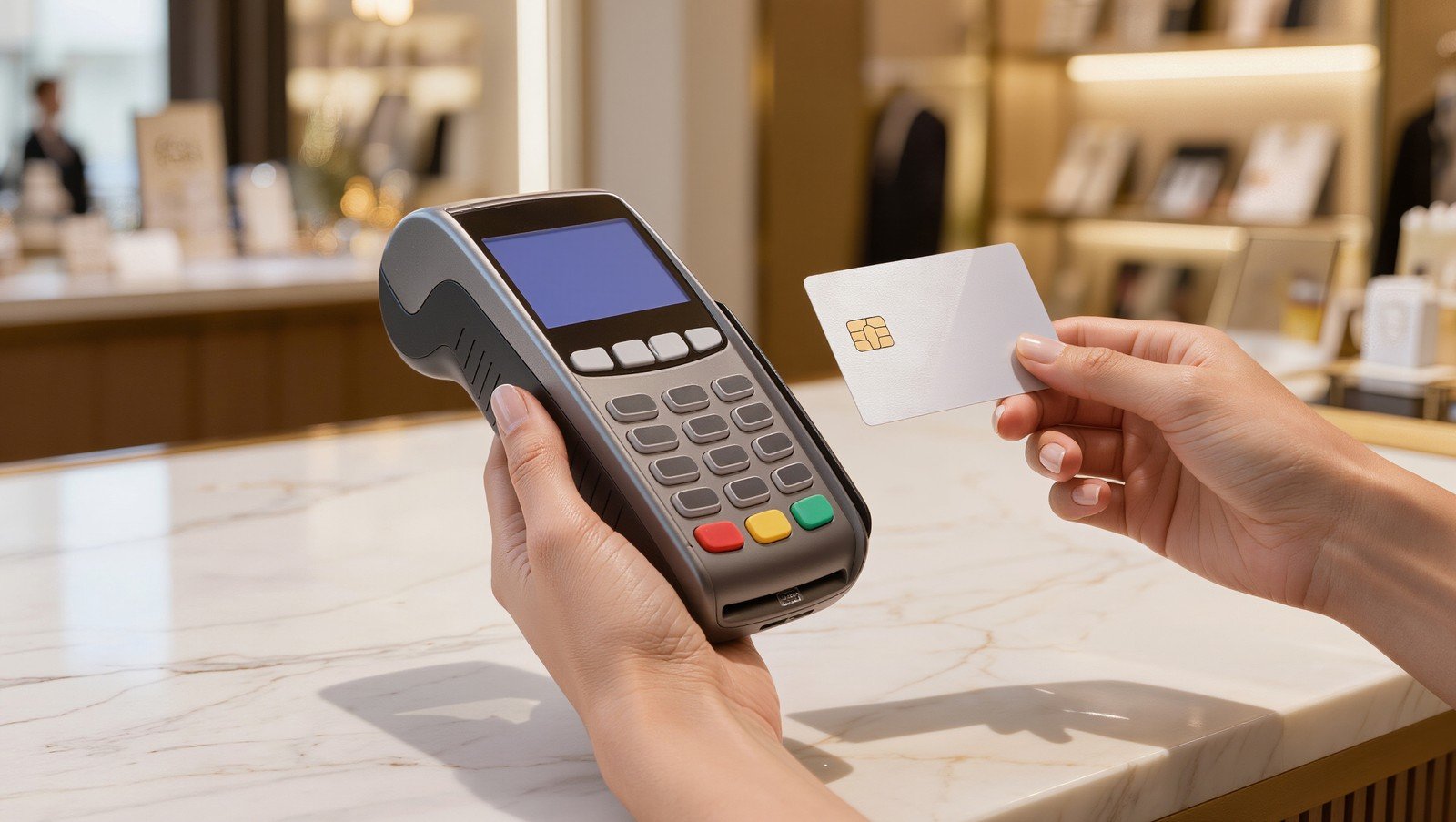
Contactless payments allow customers to tap compatible cards, smartphones, or wearable devices against a suitable payment reader during checkout. This approach can create a convenient experience for customers who prefer quick transactions without inserting a physical card. Contactless acceptance can also complement traditional chip transactions, giving businesses additional flexibility without requiring completely separate payment systems.
Businesses considering contactless acceptance should evaluate terminal capabilities, POS compatibility, connectivity, transaction volume, and customer preferences before selecting equipment. EMV terminals with contactless capabilities can support both inserted chip cards and tap-based transactions through compatible technology. This combination gives small businesses a practical way to accommodate different payment preferences while keeping checkout options organized and accessible.
Mobile Wallet Payments
Mobile wallets allow customers to use smartphones and wearable devices for contactless transactions without physically presenting a traditional payment card. Services such as Apple Pay, Google Pay, and other compatible wallets can store payment credentials securely within supported devices. Small businesses can benefit from accepting these transactions when customers increasingly expect convenient digital payment experiences during everyday purchases.
Mobile wallet acceptance can work particularly well for businesses serving customers who value speed and convenience at checkout. Restaurants, retailers, service businesses, and mobile operators can use wireless & mobile terminals to accept supported wallet transactions in different operating environments. Businesses should confirm that their processing equipment and software support the desired wallet services before introducing this payment method into daily operations.
Online Payment Gateways
Online payment gateways connect websites and digital storefronts with payment processing systems, allowing businesses to accept card payments through online checkout pages. This option can help small businesses sell products or services beyond physical locations while giving customers a familiar way to complete purchases. Gateway functionality can also support transaction records and integrations with compatible business software.
Businesses selling online should consider gateway compatibility, security features, transaction fees, recurring billing capabilities, and integration requirements before selecting a solution. A suitable gateway can create a smoother checkout process while connecting online transactions with broader payment processing operations. Businesses should also review how the gateway handles customer information, refunds, reporting, and transaction management before implementation.
Payment Links and Invoicing
Payment links can give small businesses a simple way to request payment through digital messages, invoices, websites, or other communication channels. This method can be particularly useful for businesses that do not operate traditional storefronts or need to collect payments remotely. Customers can follow a secure payment link and complete their transaction without requiring a physical checkout location.
Virtual terminal credit card processing can also support businesses that accept payments by phone, invoice, or other card-not-present situations. This approach can suit professional services, property management operations, contractors, and businesses handling recurring or remote transactions. Merchants should review transaction capabilities, reporting tools, authorization controls, and payment security features when selecting remote payment technology.
Buy Now, Pay Later
Buy Now, Pay Later services allow eligible customers to divide qualifying purchases into scheduled installments rather than paying the entire amount immediately. This payment approach can appeal to customers who prefer spreading purchase costs across several payments. Businesses should evaluate the applicable fees, eligibility requirements, transaction terms, and integration process before deciding if installment payments suit their customers.
Installment payment options can be particularly relevant for businesses selling higher-priced products or services where upfront costs influence purchasing decisions. However, businesses should consider their margins and customer demographics before adding another payment method. A payment option should support commercial goals without creating unnecessary complexity across checkout operations, accounting processes, customer communications, or transaction reconciliation.
ACH and Bank Account Payments
ACH payments allow businesses to collect funds electronically from customer bank accounts, making them useful for recurring payments, invoices, subscriptions, and larger transactions. This method can give customers an alternative to card payments while supporting businesses that regularly collect scheduled amounts. ACH acceptance can also complement card processing when businesses serve customers with different payment preferences.
Small businesses considering ACH should review processing times, transaction limits, authorization requirements, return procedures, and applicable fees before adopting the method. This payment option can work especially well for recurring services and business-to-business transactions where scheduled payments are common. Clear authorization procedures and accurate customer records are important for maintaining organized payment operations and reducing avoidable transaction issues.
Choosing the Right Payment Mix for Your Business
The strongest payment strategy does not necessarily involve accepting every available method, because unnecessary options can create additional operational complexity. Businesses should identify how customers currently pay, where transactions happen, and which payment methods could remove purchasing friction. Reviewing transaction data, customer feedback, processing costs, and sales channels can help merchants select practical options.
The right combination can include traditional cards alongside contactless, mobile, online, remote, installment, or bank-based payments depending on business requirements. We help businesses evaluate processing solutions around their actual operating needs, with clear communication and fair pricing throughout the process. This approach can help merchants build payment acceptance that remains dependable while supporting future business growth.
Build a Payment Strategy That Supports Growth
Suncoast Payments helps small businesses understand payment technology, compare processing solutions, and select practical ways to accept customer payments across different sales environments. Our approach focuses on clear communication, fair pricing, dependable processing, and long-term relationships that support changing business requirements without unnecessary complications.
Contact us to discuss your payment needs and explore solutions designed around your transaction channels, customer preferences, operating requirements, and growth plans.
Frequently Asked Questions
What is the best payment method for a small business?
Credit and debit cards remain essential, while contactless, mobile wallets, online payments, and other methods can accommodate different customer preferences.
Should small businesses accept mobile payments?
Mobile payments can add convenient checkout choices, particularly for businesses serving customers who regularly use smartphones or wearable payment devices.
Can small businesses accept payments remotely?
Yes, businesses can use payment links, invoices, and virtual terminals to collect card payments from customers outside physical locations.
How should businesses choose payment methods?
Businesses should compare customer preferences, transaction channels, processing costs, equipment needs, operational requirements, and future growth plans before selecting payment methods.