
Quick Summary: Contactless and chip card payments use different technologies to protect payment information during transactions. Both methods can offer strong security when businesses use modern payment terminals and follow proper security practices. Contactless payments can create a faster checkout experience, while chip cards require physical insertion. Understanding their differences can help businesses choose suitable payment options.
As customers look for faster and simpler ways to pay, contactless transactions have become increasingly common at businesses of all sizes. This shift has also raised an important question for consumers and business owners: is contactless payment safer than chip card transactions? Both payment methods use security technology designed to reduce exposure of sensitive card information during a transaction.
Understanding how each method works can help businesses select payment equipment that supports secure and convenient transactions. Contactless cards use near-field communication technology, while chip cards rely on an embedded EMV chip that communicates with a compatible payment terminal. Both approaches can offer strong protection, but their transaction processes differ.
How Do Contactless Payments Work?
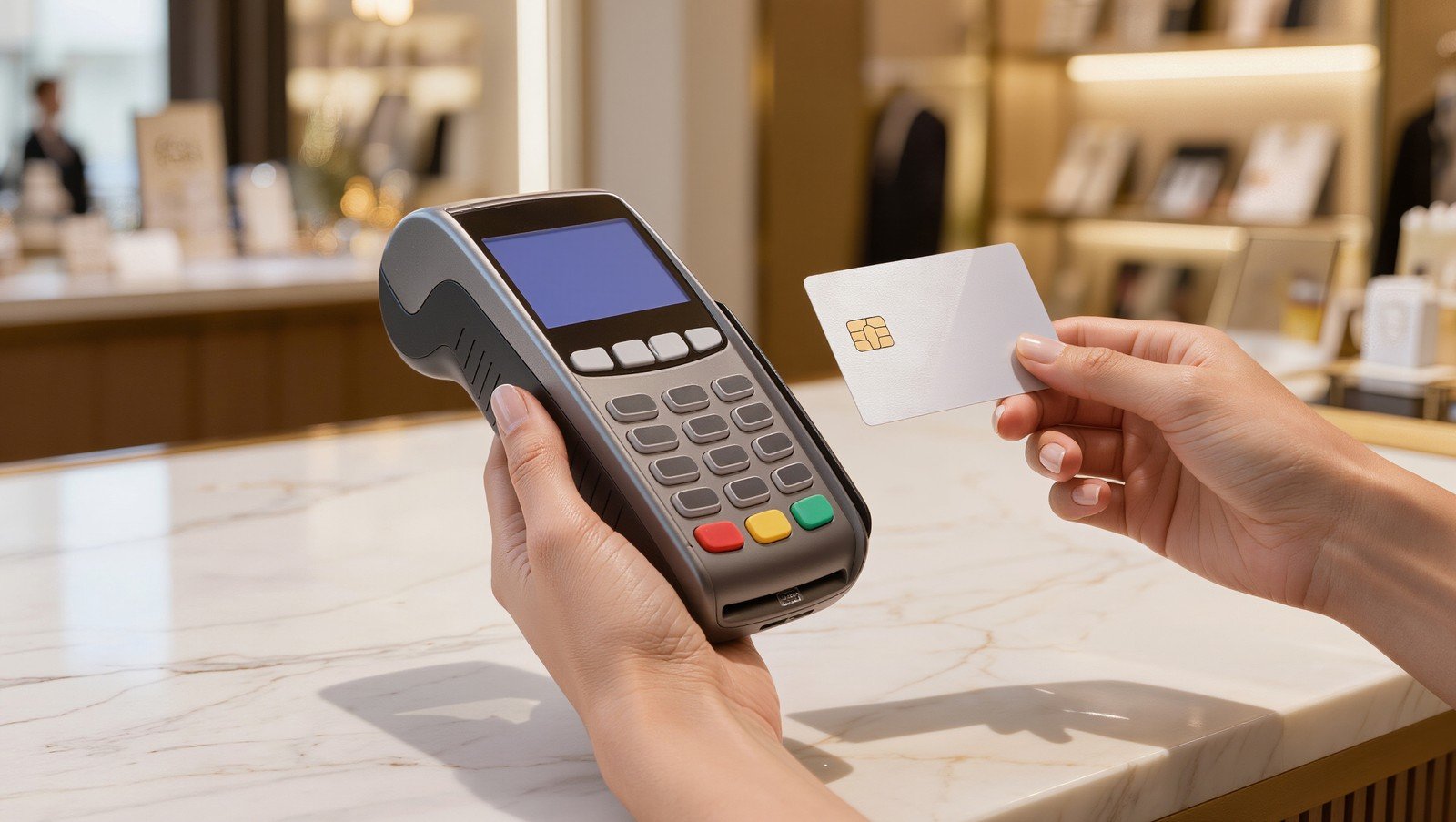
Contactless payments use near-field communication, commonly called NFC, to transmit payment information between a card or compatible device and a payment terminal. Customers simply tap their card or device near the terminal instead of inserting the card into a reader.
Each eligible transaction uses dynamic transaction information, which helps reduce the usefulness of captured payment data for future fraudulent transactions. Contactless payments also keep the physical card in the customer's possession throughout the checkout process, reducing the need to hand the card to another person.
How Do Chip Card Payments Work?
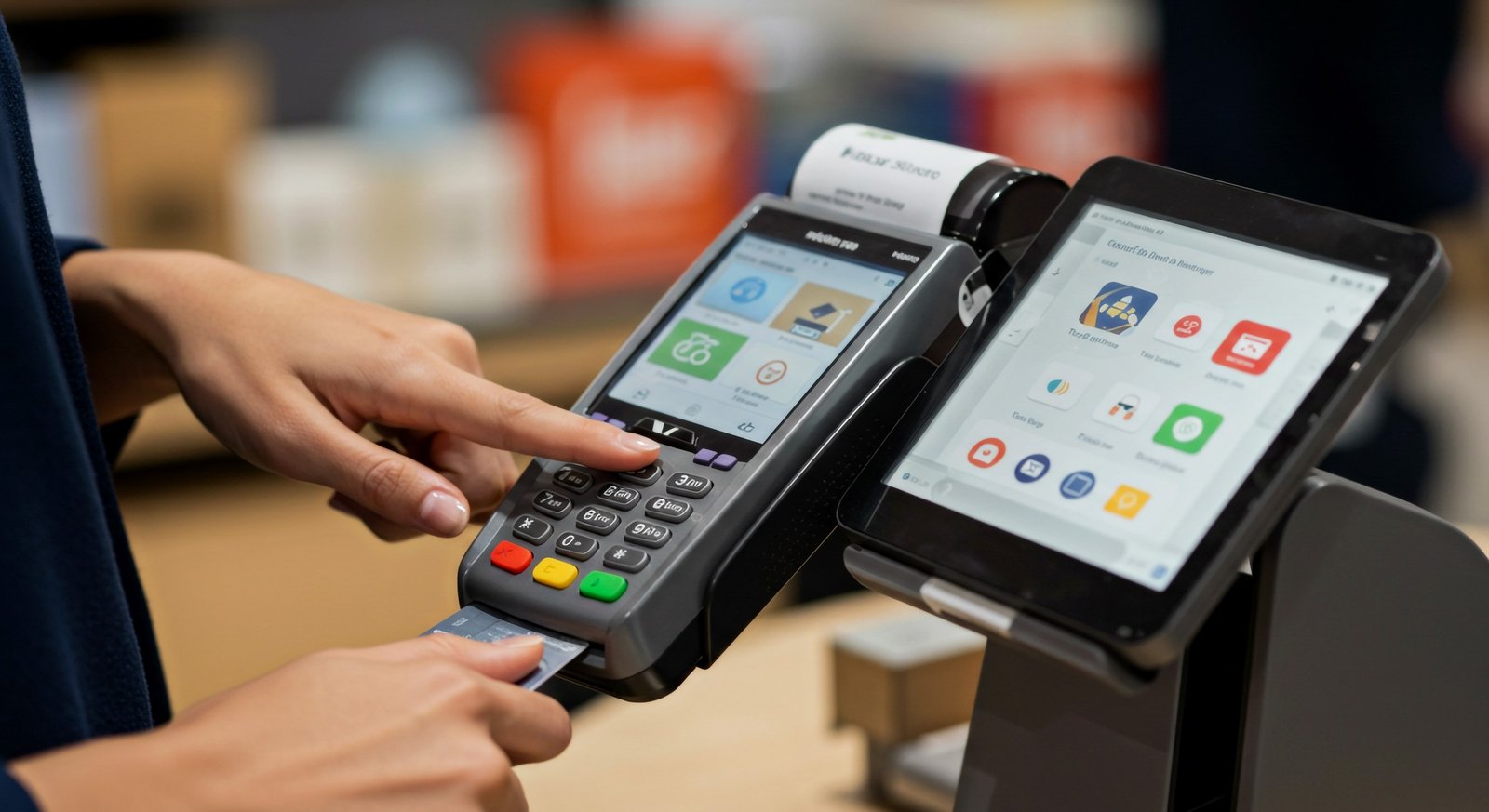
Chip cards contain an embedded EMV chip that communicates with a compatible terminal when the customer inserts the card. The chip generates transaction-specific information during payment, helping protect the transaction from certain forms of card fraud.
Unlike magnetic stripe transactions, EMV chip payments do not simply transmit static card information to the terminal. The card and terminal communicate during the transaction, creating a security layer that has made chip cards a widely used payment method.
Is Contactless Payment Safer than Chip Cards?
So, is contactless payment safer than chip cards? Both methods use strong security technology, and the level of protection depends on the payment network, card issuer, terminal, and security practices involved.
Contactless payments can offer an additional convenience advantage because customers do not need to insert or hand over their cards. Chip payments also offer strong protection through EMV technology. For businesses, supporting both methods can give customers flexibility while maintaining modern payment security.
Which Payment Method Should Businesses Accept?
Businesses do not necessarily need to choose between contactless and chip card payments. Modern payment terminals can support both methods, allowing customers to select their preferred option during checkout.
Businesses that operate across different locations can consider wireless & mobile terminals for flexible payment acceptance. Companies handling remote transactions can also use virtual terminal credit card processing, although virtual terminals work differently because card details are manually entered rather than tapped or inserted.
Benefits of Contactless Payment for Businesses
Contactless payments can help businesses create faster checkout experiences because customers can complete eligible transactions with a simple tap. Shorter payment interactions can be especially useful during busy periods when customers expect efficient service without compromising payment security.
Contactless acceptance can also work well with modern wireless and mobile terminals, giving businesses greater flexibility across different selling environments. Supporting contactless transactions alongside chip cards gives customers convenient payment choices while helping businesses adapt to changing payment preferences.
Keep Every Payment Method Secure
Technology plays an important role in payment security, but business practices also matter. Keep payment terminals updated, restrict access to authorized employees, monitor transactions, and follow applicable payment security requirements.
Customers should also review transaction records and report suspicious activity quickly. Businesses can support safer transactions by using reputable payment technology and training employees on proper payment handling procedures.
Choose Secure Payment Options for Your Business
Suncoast Payments offers payment processing solutions designed to support secure, convenient transactions across different business environments. From contactless payments to chip card transactions and remote processing options, the right technology can help create a smoother customer experience. Contact us to discuss payment solutions that match your transaction needs, customer preferences, and business goals.
Frequently Asked Questions
Are contactless payments secure?
Yes, contactless payments use transaction-specific security technology that helps protect payment information during eligible transactions.
Can contactless cards be used without a PIN?
Some transactions can be completed without entering a PIN, depending on transaction limits, card issuer policies, and payment network requirements.
Can businesses accept both contactless and chip cards?
Yes, modern payment terminals can support contactless and chip card transactions, giving customers flexibility during the checkout process.
Are contactless payments available at local businesses?
Contactless payments are available at businesses with compatible terminals, so customers can search for contactless payments near me when looking for suitable locations.