
Quick Summary: Credit card payments can make purchasing easier while helping small businesses improve transaction management and reach customers across different sales channels. Setting up the right system involves choosing a payment processor, creating a merchant account, selecting suitable equipment, and following secure payment practices. A flexible payment solution can support smoother transactions, stronger customer experiences, and sustainable business growth.
Learning how to set up credit card payments for small business operations starts with understanding how payment processing works and what your customers need during checkout. A reliable payment system can help you accept transactions in person, online, over the phone, or from mobile locations. The right setup can also simplify payment management while giving customers a familiar and convenient way to complete purchases.
Credit card acceptance has become an important part of operating a competitive small business because customers expect flexible payment choices. However, setting up a system involves several decisions, including selecting a processor, opening a merchant account, choosing payment equipment, and protecting transaction information. Understanding each step can help you build a payment system that supports everyday operations while creating opportunities for continued business growth.
Choose a Credit Card Payment Processor
The first step in setting up credit card payments for small business operations is selecting a payment processor that fits your company. Compare transaction fees, monthly charges, contract requirements, equipment costs, security features, reporting tools, and customer support before making a decision. Different processors offer different pricing structures, so reviewing the complete cost can help you avoid unexpected expenses.
Your business model should also influence your choice of processor. A physical store might need countertop or mobile terminals, while an online business could need payment gateway integration. Companies that accept payments by phone or handle remote transactions can consider virtual terminal credit card processing for a convenient way to enter card information through a secure online system.
Set Up Your Merchant Account
After choosing a processor, you will need to establish a merchant account that allows your business to accept card payments. The application process generally requires business details, banking information, identification documents, and information about your expected transaction volume.
Once your account receives approval, the processor can connect it with your payment terminal, website, point-of-sale system, or other payment technology. Understanding settlement times and processing fees at this stage can help you manage cash flow and maintain accurate financial records.
Select the Right Payment Equipment
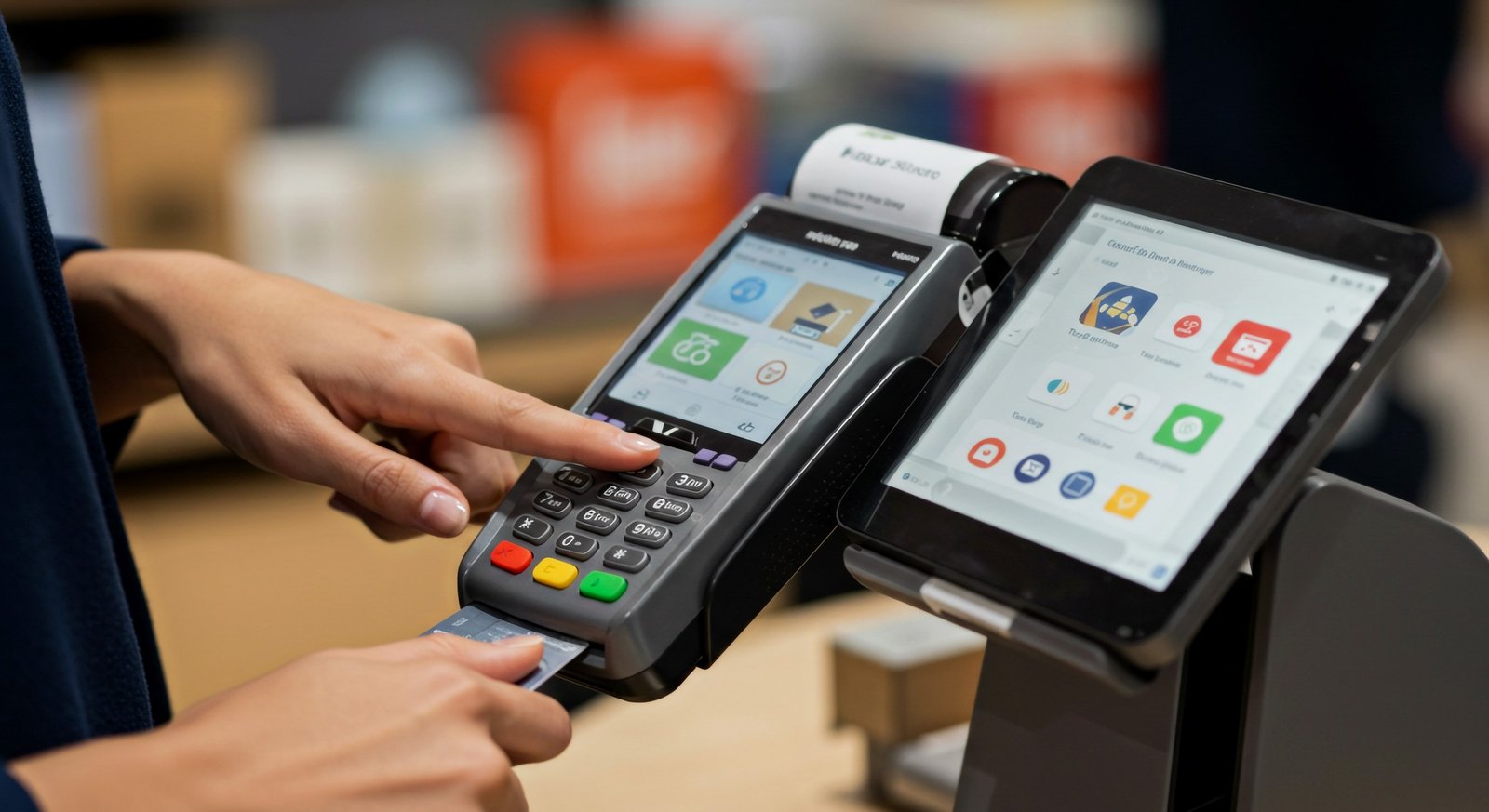
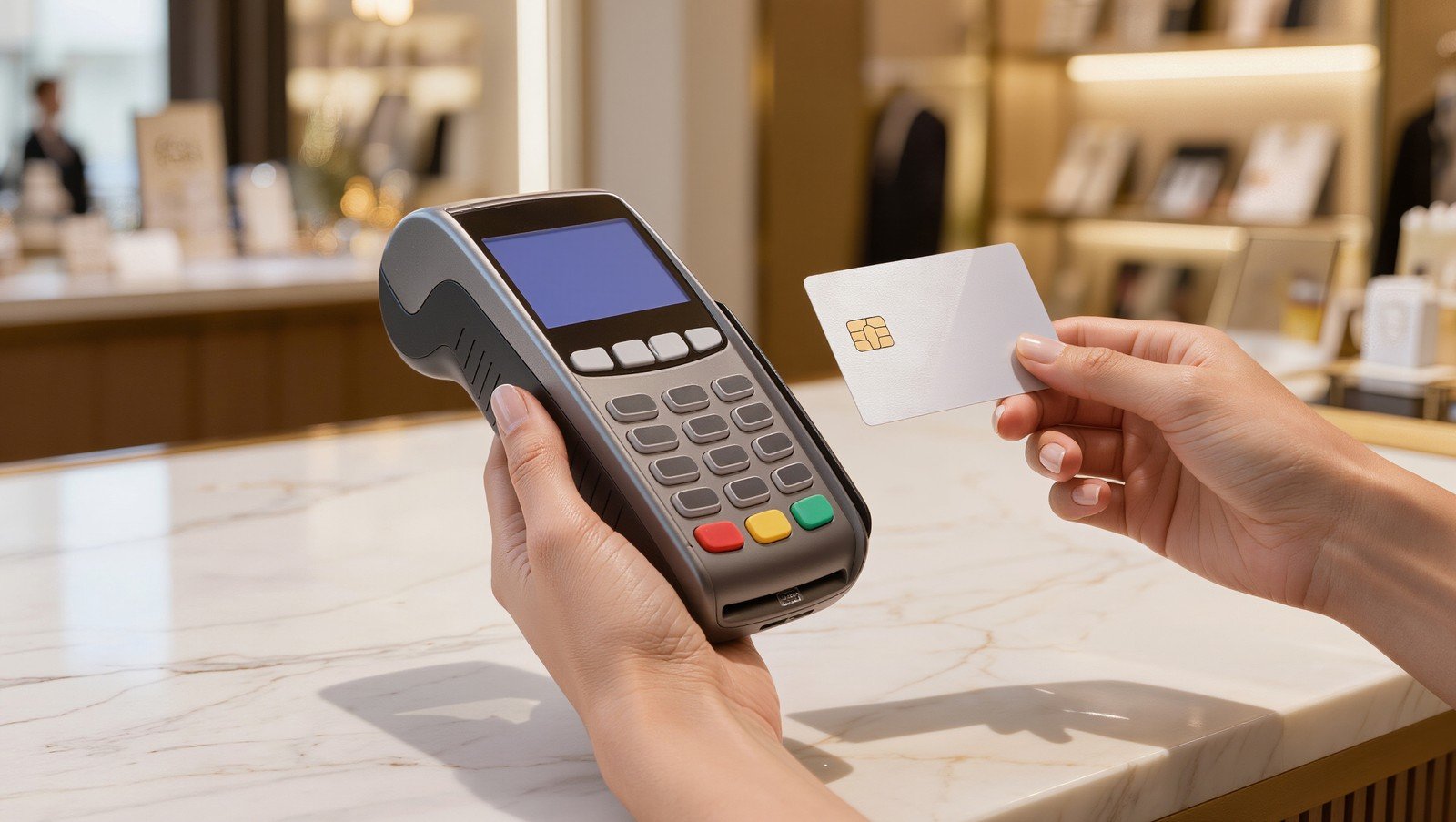
The payment equipment you choose should reflect how and where your business serves customers. Countertop terminals can work well for fixed checkout areas, while wireless and mobile terminals can support businesses that accept payments across different locations.
Online businesses can integrate payment processing directly into their websites or ecommerce platforms. Companies that accept orders by phone can also use a virtual terminal to process card information without requiring the customer to visit a physical location. Choosing equipment around your actual sales process can create a smoother experience for customers and employees.
Protect Customer Payment Information
Security should remain a central part of your approach to how to set up credit card payments for small business operations. Select payment technology with strong security features and follow established card payment security practices when handling transactions.
Employee training also plays an important role in protecting sensitive information. Limit access to payment systems, use strong account credentials, and avoid retaining card information unless there is a legitimate business requirement. Secure payment practices can protect customer information while helping establish trust with the people who purchase from your business.
Make Checkout Easier for Customers
Convenient payment options can influence how customers perceive their overall purchasing experience. Businesses that accept commonly used payment methods can reduce unnecessary obstacles during checkout and make transactions easier for customers with different preferences.
Consider how your customers typically purchase from you before adding payment methods. Some businesses need in-person terminals, while others require online payments, mobile transactions, invoices, or phone-based payment options. Matching payment technology with customer behavior can help create a simpler purchasing process.
Use Payment Technology to Support Growth
Credit card processing can do more than complete individual transactions because payment systems can also support business organization and decision-making. Transaction reports can help you track sales activity, identify purchasing patterns, and monitor revenue across different products or services.
Integrating payment technology with accounting software or point-of-sale systems can also reduce manual work. Connected systems can simplify reconciliation and give you a clearer view of business performance. As transaction volume increases, these capabilities can help your business manage payments efficiently while focusing attention on customers and growth.
Review Your Payment Setup as Your Business Expands
Your payment requirements can change as your business adds employees, locations, products, or sales channels. A system that works well for a new company might not suit a growing operation with higher transaction volumes or increasingly complex payment needs.
Review your processing costs, equipment, reporting capabilities, security practices, and customer support regularly. Updating your payment setup when business needs change can help you maintain an efficient system without allowing outdated technology to slow down your operations.
Choose the Right Payment Solution for Your Business
Suncoast Payments offers flexible payment processing solutions that can help small businesses accept transactions across different sales channels. From in-person payments to online transactions, the right solution can simplify operations and create a smoother customer experience. Contact us to discuss payment processing options that fit your business needs, customer preferences, and plans for continued growth.
Frequently Asked Questions
What does a small business need to accept credit cards?
A small business typically needs a payment processor, merchant account, compatible payment equipment, and secure procedures for handling card transactions.
Can a small business accept credit cards without a physical terminal?
Yes, businesses can accept payments through online checkout systems, payment links, invoicing platforms, and virtual terminals for remote transactions.
How long does it take to set up credit card payments?
Setup time depends on the processor, account verification requirements, and payment technology selected for your business operations.
How can credit card payments help a small business grow?
Credit card acceptance can make purchasing easier, support different sales channels, simplify transaction tracking, and create a smoother customer experience.