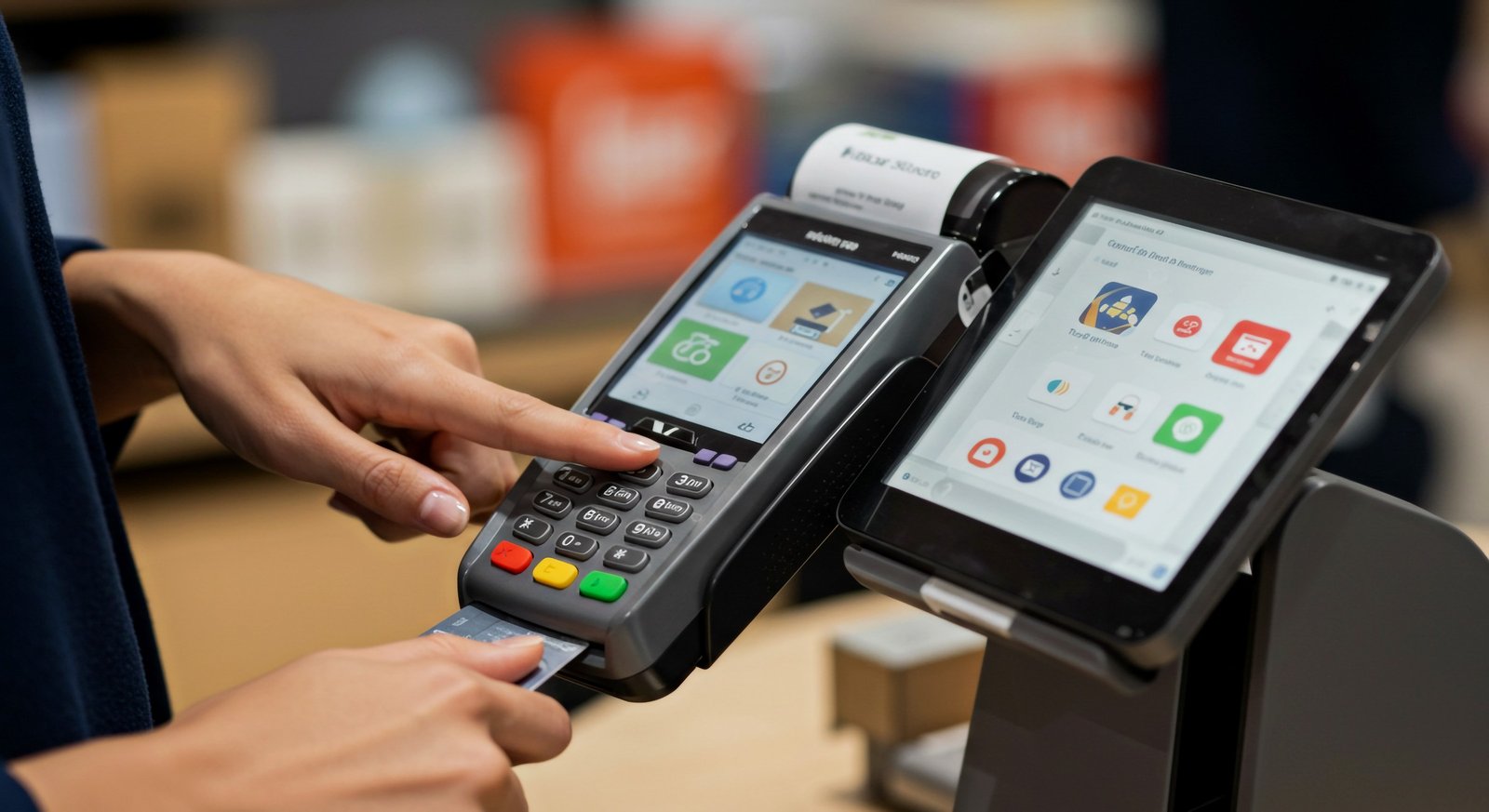

Quick Summary: Payment terminologies are jargon and they can become confusing when businesses encounter processing rates, merchant accounts, transaction fees, payment gateways, chargebacks, and payment plans and so on. Understanding these terms helps owners compare processing arrangements, recognize applicable costs, and choose suitable payment technology. Familiarity with common terminology also makes conversations with payment providers easier, supporting clearer decisions around checkout operations, customer payments, and business finances.
Understanding payment terms for small business operations can make payment processing easier to evaluate and manage. Owners frequently encounter unfamiliar language when comparing processors, reviewing statements, selecting equipment, or discussing customer payment arrangements. Knowing what common terms mean can help business owners ask better questions, recognize relevant costs, and select payment solutions that match their transaction volume and operating requirements.
Payment terminology also extends beyond processing rates and account fees because modern businesses use different technologies and customer payment methods. Terms connected with terminals, virtual payments, payment plans, and payroll documents can appear during everyday operations. Learning these concepts gives owners a stronger foundation for managing payment activities without becoming overwhelmed by complicated industry language or unfamiliar terminology.
Merchant Account
A merchant account is a specialized account that allows businesses to accept card payments and receive funds through payment processing networks. It connects the business with the systems involved in authorizing, processing, and settling card transactions. Understanding this term helps owners recognize why payment acceptance requires a structured relationship between the business, processor, acquiring bank, and applicable payment networks.
Processing Rate
A processing rate represents the cost associated with processing card transactions, usually expressed as a percentage or combined pricing structure. The actual amount a business pays can also depend on additional account and transaction fees. Reviewing the complete pricing structure helps owners understand their real processing expenses instead of focusing on one advertised rate.
Payment Gateway
A payment gateway connects online transactions with the broader payment processing system, allowing businesses to accept card payments through websites and digital checkout environments. This technology is particularly useful for businesses selling products or services online. Owners should compare gateway compatibility, security capabilities, transaction costs, and available integrations before selecting an online payment solution.
Chargeback
A chargeback occurs when a card transaction is disputed through the customer's card issuer, potentially resulting in funds being returned from the business. Chargebacks can happen for several reasons, including unauthorized transactions, billing disagreements, or customer dissatisfaction. Businesses can reduce avoidable disputes through accurate transaction descriptions, clear refund policies, reliable documentation, and responsive customer communication.
EMV Terminals
EMV terminals accept chip-based payment cards and can also support contactless transactions when compatible hardware includes that capability. Chip technology helps authenticate card-present transactions through dynamic transaction information, strengthening protection against certain counterfeit payment fraud. Businesses should consider terminal compatibility, connectivity, payment methods, transaction volume, and processing support when selecting equipment for everyday customer transactions.
Virtual Payment Processing
Virtual terminal credit card processing allows authorized users to enter card information through a secure browser-based system rather than using a traditional physical checkout terminal. This approach can support telephone payments, invoices, recurring billing, and other card-not-present transactions. It can suit professional services, property management businesses, remote operations, and other companies collecting payments away from traditional storefront counters.
Payment Plans and Payroll Terms
Payment plans for small business customers can allow qualifying purchases or services to be divided into scheduled installments rather than requiring one immediate payment. Businesses should review applicable costs, customer eligibility, transaction conditions, and cash-flow considerations before adopting installment arrangements. Separately, a pay slip for small business employees records important payroll information, helping workers understand earnings, deductions, and applicable payment details.
Payment Processor
A payment processor handles the communication required to move transaction information between the business, payment networks, and financial institutions. Understanding this role helps owners recognize how card transactions move from customer checkout through authorization and eventual settlement.
Transaction Fee
A transaction fee is a charge associated with processing an individual payment, depending on the pricing structure established for the merchant account. Businesses should review these charges alongside percentage-based rates and other account costs when comparing payment processing arrangements.
Recurring Billing
Recurring billing allows businesses to automatically collect scheduled payments from customers for subscriptions, memberships, services, or ongoing agreements. This option can simplify repeat transactions while giving businesses a structured way to manage recurring customer payments and related records.
Choosing Payment Technology That Matches Your Needs
Payment terminology becomes easier to manage when business owners connect each concept with a specific operational need. Wireless & mobile terminals can support businesses accepting payments away from fixed counters, while traditional equipment can suit established storefront checkout areas. Reviewing customer preferences, transaction environments, processing costs, and technology requirements can help owners build a practical payment acceptance strategy.
Clear communication also matters when evaluating payment services because businesses should understand how pricing, equipment, processing, and support fit together. We help businesses navigate payment terminology and evaluate solutions around their actual operating requirements, with straightforward communication and fair pricing throughout the relationship. Understanding these terms can help owners approach payment decisions with greater confidence.
Make Payment Decisions With Greater Confidence
Suncoast Payments helps businesses understand payment processing, compare available solutions, and select dependable options suited to their transaction requirements. Our approach centers on clear communication, fair pricing, and long-term relationships that help business owners navigate complicated payment decisions with greater confidence.
Contact us to discuss your payment requirements and explore processing solutions built around your customers, operations, technology needs, and plans for sustainable business growth.
Frequently Asked Questions
Why should small business owners learn payment terminology?
Understanding common payment terms helps owners compare processing arrangements, recognize costs, and communicate effectively when evaluating payment services.
What does a processing rate mean?
A processing rate represents costs associated with handling payment transactions and can form part of a broader pricing structure.
What is virtual terminal processing?
Virtual terminal processing lets authorized users enter card information securely through a browser for remote or card-not-present transactions.
What are EMV terminals used for?
EMV terminals accept chip-based cards and compatible contactless payments, supporting secure card-present transactions across different business environments.