Running a successful business requires much more than generating sales. Behind every transaction is an inventory system that determines whether products are available, accurately tracked, and contributing to profitability.
Unfortunately, many small businesses don’t realize how much money they’re losing because of outdated inventory management practices. The costs often go unnoticed until profits begin shrinking or customer satisfaction starts to decline.Suncoast Payments
The good news is that many of these problems can be solved with better processes and modern point-of-sale (POS) technology.

The Hidden Cost of Poor Inventory Management
Inventory issues don’t always appear as one large expense. Instead, they slowly impact your business over time through small losses that add up.
Common inventory-related problems include:
- Overstocking products that sell slowly
- Running out of popular inventory
- Ordering duplicate inventory
- Lost or misplaced merchandise
- Employee errors during manual inventory counts
- Time spent searching for products or correcting inventory mistakes
Individually these issues may seem minor, but over the course of a year they can significantly reduce profitability.
How Poor Inventory Management Impacts Cash Flow
One of the biggest consequences of poor inventory management is reduced cash flow.
Every product sitting on a shelf represents money that could be invested elsewhere in the business. When inventory isn’t managed effectively, businesses often purchase more products than necessary or continue stocking items that rarely sell.
This can lead to:
- Excess inventory occupying valuable storage space
- Cash tied up in slow-moving products
- Increased carrying costs
- Missed opportunities to invest in faster-selling inventory
By understanding inventory turnover and purchasing trends, businesses can make more informed buying decisions that improve cash flow and reduce unnecessary expenses.
Why Many Businesses Don’t Notice the Problem
Many business owners rely on experience and intuition when managing inventory. While experience is valuable, it becomes increasingly difficult to monitor inventory accurately as a business grows.
Without reliable reporting, it’s difficult to answer important questions such as:
- Which products generate the highest profit?
- Which items haven’t sold in months?
- How much inventory is sitting on shelves?
- How often are products running out of stock?
- Are purchasing decisions based on actual sales data?
Having access to this information allows businesses to make informed purchasing decisions rather than relying on estimates.
Common Signs Your Inventory System Needs Improvement
If your business experiences any of the following, your inventory management process may need an upgrade:
- Frequent stock shortages
- Excess inventory taking up valuable space
- Inventory counts that don’t match actual stock
- Employees spending excessive time searching for products
- Manual spreadsheets used to track inventory
- Limited reporting capabilities
- Difficulty identifying top-selling products
These challenges often indicate that your current system isn’t providing the visibility needed to manage inventory efficiently.
The Customer Experience Matters Too
Inventory management doesn’t just affect your bottom line—it also impacts your customers.
Imagine a customer visiting your business after seeing a product advertised online, only to discover it’s actually out of stock.
Situations like this can lead to:
- Lost sales
- Customer frustration
- Negative online reviews
- Reduced customer loyalty
Modern inventory management systems help businesses maintain more accurate stock levels, allowing employees to provide customers with reliable information about product availability.
A smoother shopping experience encourages repeat business and helps build long-term customer relationships.
How Modern POS Systems Improve Inventory Management
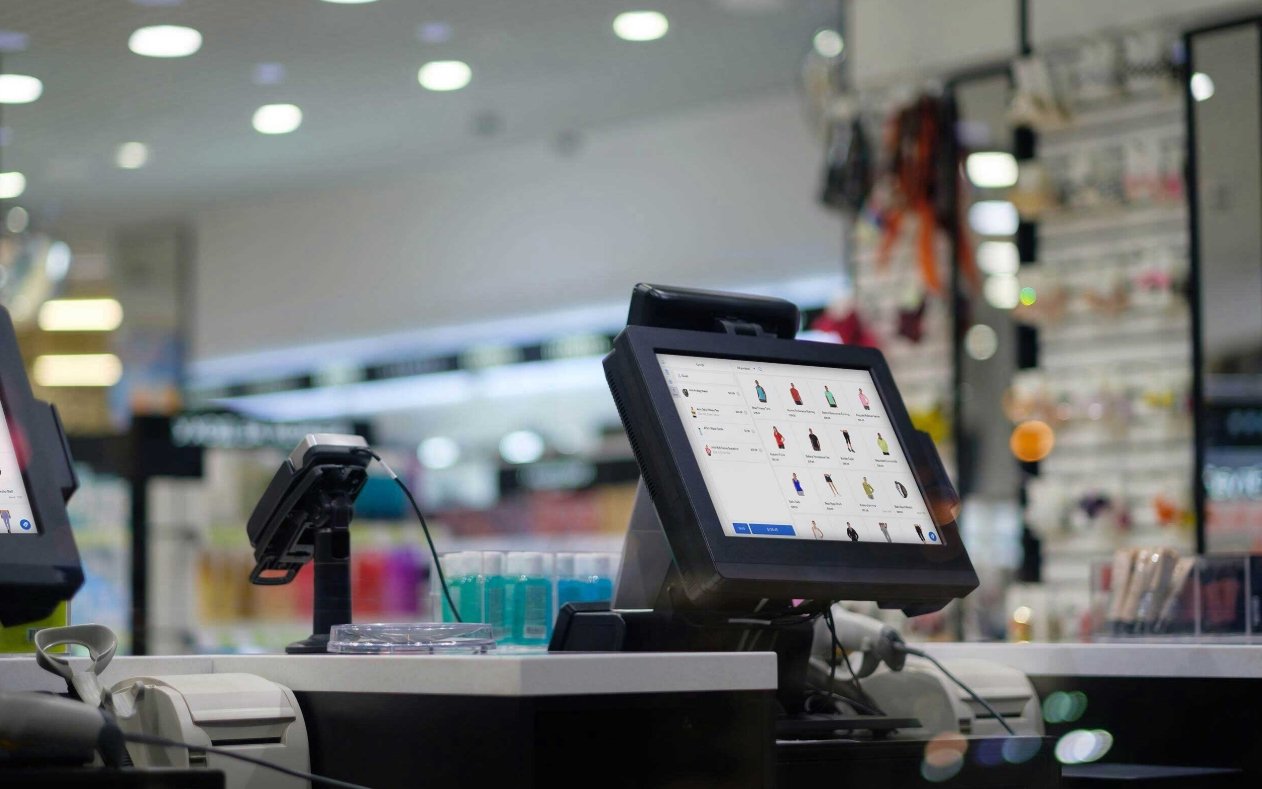
Today’s POS systems do much more than process credit card payments.
Modern platforms can help businesses:
Real-Time Inventory Tracking
Inventory levels automatically update as sales occur, reducing manual entry and improving accuracy.
Purchase Order Management
Many systems make it easier to reorder products before inventory becomes critically low.
Sales Reporting
Business owners can quickly identify:
- Best-selling products
- Slow-moving inventory
- Seasonal purchasing trends
- Profitability by product category
Employee Accountability
Inventory adjustments can often be tracked by employee, helping reduce errors and improve accountability.
Multi-Location Inventory
For businesses with multiple locations, inventory can often be viewed and managed from a single dashboard.
Better Visibility Leads to Better Business Decisions
When inventory information is accurate and easily accessible, business owners can make smarter operational decisions.
Instead of guessing what needs to be reordered, they can rely on real sales data.
No more carrying excess inventory, they can optimize purchasing.
Spending hours counting inventory manually? Employees can now focus on serving customers.
The result is often a more efficient operation with fewer costly mistakes.
Questions to Ask About Your Current POS System
If your current system is several years old, it may be worth asking a few simple questions:
- Does it automatically track inventory?
- Can I access reports remotely?
- Does it alert me when inventory is running low?
- Is it easy for employees to use?
- Can it integrate with accounting software?
- Does it support online ordering or multiple locations?
- Is my payment processing integrated with my POS system?
If you answered “no” to several of these questions, it may be time to explore newer technology that better supports your business.
Choosing the Right POS System for Your Business
Not all POS systems offer the same features, and choosing the right one depends on your business’s size, industry, and operational needs. While processing payments is important, today’s POS systems should also help improve efficiency and provide valuable business insights.
When comparing POS solutions, consider whether the system offers:
- Easy-to-use software for employees
- Real-time inventory tracking
- Detailed sales and inventory reports
- Employee permissions and activity tracking
- Integration with payment processing
- Cloud-based access from anywhere
- Customer relationship and loyalty features
- Reliable customer support and software updates
A POS system should do more than process transactions. It should simplify day-to-day operations, provide better visibility into your business, and grow alongside your company as your needs evolve.
Technology Has Improved Significantly
Many businesses continue using the same POS system they installed years ago without realizing how much the technology has evolved.
Modern POS platforms often include features such as:
- Cloud-based reporting
- Mobile inventory access
- Barcode scanning
- Customer purchase history
- Integrated payment processing
- Advanced analytics
- Automated inventory alerts
These tools provide greater visibility into day-to-day operations while reducing manual work.
Final Thoughts
Inventory management is often overlooked because problems develop gradually rather than all at once. Small errors in purchasing, reporting, and inventory tracking can quietly reduce profitability over months or even years.
Fortunately, modern POS systems provide tools that make inventory management significantly easier. Better reporting, automated inventory tracking, and real-time data allow business owners to spend less time managing inventory manually and more time growing their business.
Every business is different, and there isn’t a one-size-fits-all solution. The right payment processing and POS system depends on your industry, sales volume, and operational needs.
At Suncoast Payments, we help businesses evaluate payment processing solutions and modern POS technology that can improve efficiency, simplify inventory management, and provide better visibility into daily operations.
If you’re wondering whether your current system is still meeting your business’s needs, contact Suncoast Payments for a no-obligation review of your current payment processing and POS setup. We’ll help you understand your options so you can make an informed decision about the technology that supports your business. Whether you’re looking to improve inventory management, streamline payments, or simply determine whether your current technology is still the right fit, taking the time to review your systems today can help your business operate more efficiently tomorrow.