Quick Summary: Secure payment systems help businesses protect transaction information while creating convenient experiences for customers. Modern payment technology includes EMV terminals, wireless devices, online payment tools, and virtual processing options. Businesses should evaluate security features, payment methods, and operational needs before selecting a solution. Strong technology combined with responsible payment practices can help reduce risks and support customer confidence.
Payment security has become an important consideration for businesses that accept card transactions from customers. Secure payment systems use different technologies and security practices to protect transaction information during the payment process. From physical card terminals to remote payment solutions, businesses have several options for creating a safer payment environment.
Choosing suitable payment technology requires an understanding of how different systems work and where each option fits within daily operations. Businesses should consider transaction methods, customer preferences, security features, and sales channels before selecting payment equipment or processing services.
What Makes a Payment System Secure?
A secure payment system uses technology and procedures designed to protect sensitive transaction information from unauthorized access. Encryption, tokenization, authentication methods, and EMV technology can all contribute to safer payment processing.
Businesses should also consider how payment information is handled before, during, and after each transaction. Strong security practices can reduce unnecessary exposure while helping businesses maintain a trustworthy checkout experience for customers.
Understanding EMV Terminals
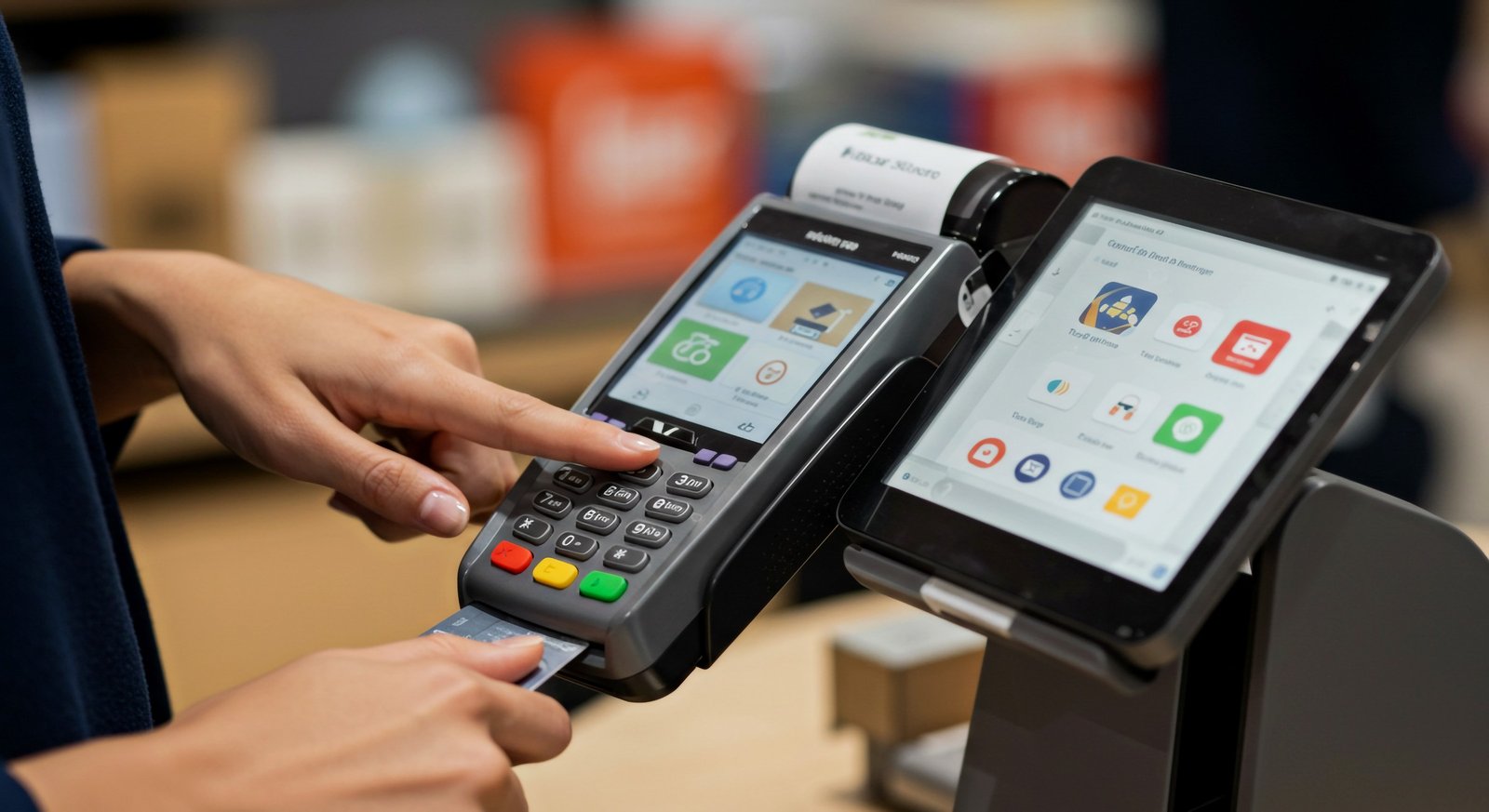
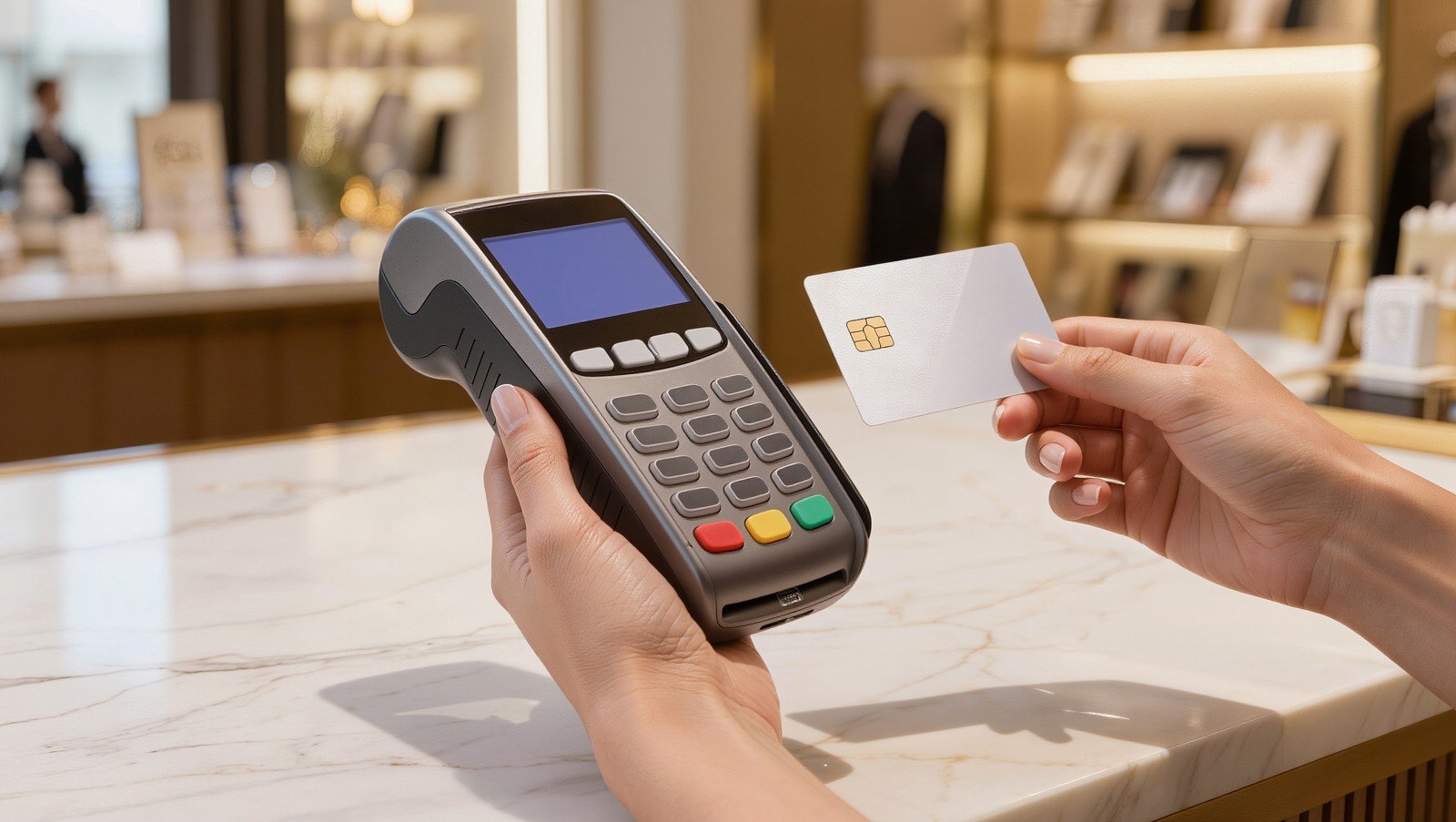
EMV terminals use embedded chip technology to process compatible payment cards and create transaction-specific information. This technology differs from older magnetic stripe payment methods because the chip generates unique transaction data during eligible transactions.
EMV terminals can also support different payment methods, including chip cards and contactless transactions, depending on the equipment selected. Businesses can use these terminals to combine payment convenience with modern transaction security at physical checkout locations.
Wireless and Mobile Payment Options
Businesses that accept payments away from a fixed checkout counter can benefit from wireless & mobile terminals. These devices can support transactions across different areas of a business, making them suitable for mobile sales, service businesses, events, and other flexible environments.
Mobile payment equipment can also help businesses create convenient checkout experiences without requiring customers to visit one specific payment station. Selecting equipment with appropriate security capabilities can help businesses maintain protection while accepting payments in different locations.
Virtual Payment Processing
Not every transaction happens face-to-face, which makes remote payment security an important consideration. Virtual terminal credit card processing allows authorized businesses to enter card information through a secure online interface for eligible transactions.
This type of processing can be useful for phone orders, invoices, reservations, and other situations where customers are not physically present. Businesses should select reputable processing technology and establish clear procedures for handling payment information during remote transactions.
How to Choose Secure Payment Solutions
When comparing secure payment solutions, businesses should look beyond basic processing capabilities. Consider security features, transaction types, equipment options, reporting tools, integration capabilities, pricing structures, and customer support before making a decision.
The right solution should match how customers interact with the business. A retail location might prioritize EMV and contactless terminals, while an online or service-based business could require remote processing capabilities. Businesses with several sales channels can combine different payment technologies within one broader processing strategy.
Best Practices for Payment Security
Payment technology works best when businesses also follow responsible security practices. Restrict payment system access to authorized employees, maintain updated equipment and software, and train staff to recognize suspicious transactions or unusual payment activity.
Businesses should also review transaction records regularly and follow applicable payment security requirements. Regular reviews can help identify unusual activity and reveal operational weaknesses that need attention. Consistent security practices can strengthen the protection offered by payment technology.
Build a Secure Payment Strategy
Suncoast Payments offers secure payment services designed to support businesses across different transaction environments and payment channels. Choosing the right combination of terminals, processing tools, and security practices can help businesses create dependable payment experiences for their customers. Contact us to discuss secure payment options that fit your business model, transaction requirements, and long-term goals.
Frequently Asked Questions
What is a secure payment system?
A secure payment system uses technology and procedures designed to protect transaction information during payment processing and related activities.
Are EMV terminals secure?
EMV terminals use chip-based technology that generates transaction-specific information, helping protect eligible card transactions against certain types of payment fraud.
What is virtual terminal credit card processing?
Virtual terminal credit card processing allows authorized users to enter card information through a secure online interface for eligible remote transactions.
How can businesses improve payment security?
Businesses can improve payment security by using current payment technology, limiting system access, training employees, and monitoring transactions regularly.