
Quick Summary: Auto repair shops need payment technology that supports busy service counters, accurate transaction records, inventory management, customer communication, and efficient daily operations. A suitable POS system can connect sales, payments, reporting, and shop management through one organized platform. The right features can reduce administrative work, improve transaction visibility, and help repair shops create smoother experiences for customers and employees.
Finding the best POS system for auto repair shop operations requires understanding how repair businesses actually handle customers, parts, services, payments, and records. Unlike traditional retail businesses, mechanic shops frequently manage work orders, changing service totals, inventory items, deposits, and final payments. Their payment technology should support these specific workflows instead of forcing employees into unsuitable processes.
A capable POS platform can connect several daily tasks while helping shop owners maintain clearer financial and operational records. Businesses should evaluate payment acceptance, inventory controls, reporting capabilities, customer management, employee access, and system integrations before selecting equipment. The right solution can support faster transactions while giving owners useful information for managing their repair operations and planning future growth.
Integrated Payment Processing
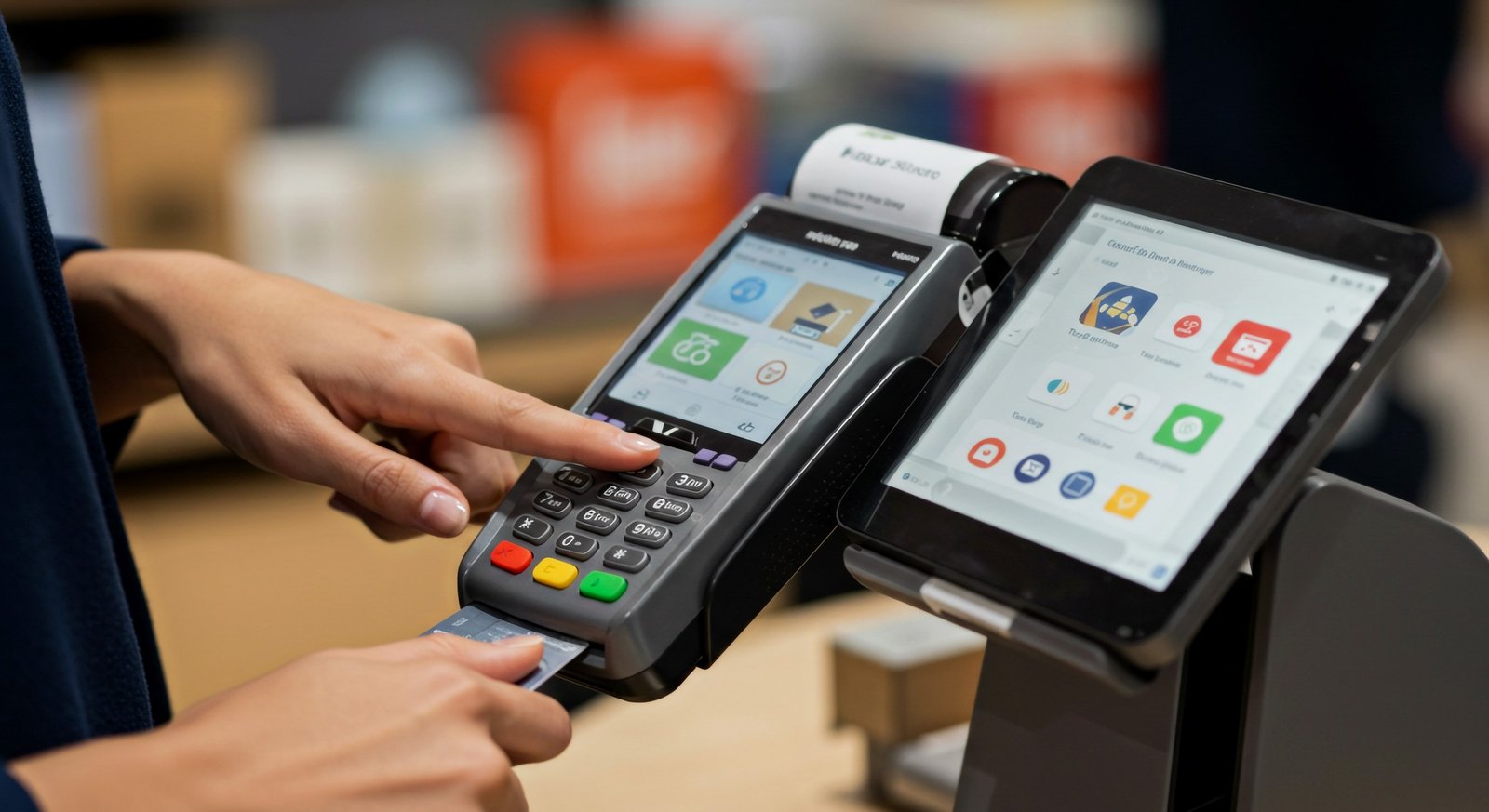
Payment processing should sit at the center of any POS solution designed for an auto repair environment because customers need convenient ways to settle service invoices. A suitable system can support credit cards, debit cards, contactless payments, and other accepted methods while connecting transactions directly with the shop's records. This connection can reduce manual entry and help employees maintain accurate payment information.
Repair shops also need equipment capable of handling different transaction situations, including deposits, partial payments, final invoices, and customer payments at pickup. A dependable setup should support secure transactions while giving employees straightforward tools for completing purchases. Shop owners should also review processing rates, account fees, equipment costs, and support arrangements before selecting their payment provider.
Detailed Inventory Management
Parts inventory can become difficult to manage when repair shops handle numerous products across different vehicle makes, models, and repair requirements. A useful POS platform should help employees track inventory levels, identify frequently used items, and maintain organized records. Better visibility can help shop owners understand purchasing needs while reducing administrative work associated with manually tracking parts and supplies.
Inventory functionality becomes particularly valuable when parts sales and labor charges appear together on customer invoices. Employees can record applicable items while connecting those charges with the appropriate service transaction. Strong inventory controls can also help owners identify stock movement, monitor purchasing patterns, and maintain better records across daily repair orders and customer transactions.
Service and Work Order Management
A POS system for mechanic shop operations should support the service workflow instead of treating every transaction like a simple retail purchase. Repair businesses frequently handle estimates, labor charges, replacement parts, deposits, and final invoices within the same customer relationship. POS functionality that supports these details can help employees organize transactions while reducing confusion during busy service periods.
Work order integration can also help employees maintain clearer connections between completed services and customer payments. When service information and transaction records remain organized, employees can review charges and answer customer questions with greater confidence. Shop owners can also gain clearer visibility into completed work, outstanding balances, and payment activity across their daily repair operations.
Customer Management and Communication
Customer management features can help repair shops maintain useful information about vehicle services, previous transactions, contact details, and payment history. A centralized record can make repeat visits easier to manage because employees can quickly review relevant information instead of searching through disconnected files. This organization can support smoother interactions and create a more consistent experience for returning customers.
Communication capabilities can also support reminders, receipts, invoices, and other customer-facing information connected with repair services. Shops should evaluate how easily their POS technology connects customer information with transactions and service records. A well-organized system can help employees communicate clearly while giving customers useful documentation related to completed work and payments.
Reporting and Business Insights
Accurate reporting gives auto repair shop owners a clearer view of sales activity, transaction volume, service revenue, inventory movement, and other operational information. Instead of relying solely on manually assembled records, owners can use organized reports to identify patterns and review business performance. These insights can support better decisions around staffing, purchasing, pricing, and future operational planning.
Reporting features should also be accessible enough for shop owners and managers to use without extensive technical training. Useful dashboards can make important information easier to review while detailed reports can support deeper analysis when needed. Businesses should compare available reporting tools carefully because useful information becomes valuable only when employees can access and understand it efficiently.
Connecting the Right Features With Your Shop
The best POS solutions should support the complete repair process rather than focusing exclusively on accepting customer payments. Shop owners should compare payment processing, inventory controls, work order management, customer records, reporting, equipment, and integration capabilities before selecting a system. Evaluating these areas together can help businesses choose technology that supports present requirements while accommodating operational changes.
A POS system for auto repair shop operations should also align with the shop's transaction volume, staffing structure, customer expectations, and growth plans. We help businesses understand payment technology and evaluate processing solutions around their practical needs, with clear communication and fair pricing throughout the relationship. A thoughtful setup can support dependable payment acceptance while helping employees manage everyday transactions efficiently.
Build a Smarter Payment Setup for Your Shop
Suncoast Payments helps businesses evaluate payment technology and select dependable processing solutions suited to their operating requirements. Our approach focuses on clear communication, fair pricing, and long-term relationships that help businesses navigate payment processing without unnecessary confusion.
Contact us to discuss your shop's payment needs and explore solutions designed around customer transactions, operational requirements, and future business growth.
Frequently Asked Questions
What features should an auto repair POS system include?
A suitable system should support payment processing, inventory management, work orders, customer records, reporting, and secure equipment for everyday repair operations.
Can POS systems track auto repair inventory?
Yes, suitable systems can track parts, inventory movement, purchases, and sales while connecting applicable items with customer transactions.
Why does reporting matter for repair shops?
Reporting helps owners review sales, transaction activity, inventory movement, and operational patterns that support informed business decisions.
Should repair shops integrate payments with their POS?
Integrated payments can connect transactions with business records, reduce manual entry, and create a smoother process for employees and customers.