
Quick Summary: EMV and NFC are closely connected payment technologies, but they describe different aspects of the transaction experience. EMV refers to standards supporting secure chip-based payments, while NFC describes wireless communication that enables contactless transactions. Businesses can use compatible equipment to accept both methods, giving customers convenient payment choices while supporting secure and efficient checkout experiences across different business environments.
Choosing between payment technologies can feel confusing when familiar terms describe related features rather than completely separate systems. EMV vs. NFC becomes easier to understand when businesses recognize that EMV focuses primarily on payment standards and security, while NFC describes wireless communication between compatible devices. Understanding this distinction helps merchants select equipment that matches customer expectations and operating requirements.
Modern payment equipment can support several transaction methods through one device, allowing customers to insert, tap, or sometimes swipe their payment cards. Businesses should consider transaction security, customer convenience, equipment compatibility, and checkout speed when evaluating available options. The right combination can create a smoother payment experience without forcing merchants to choose between security and convenience.
What Is the Difference Between EMV and NFC?
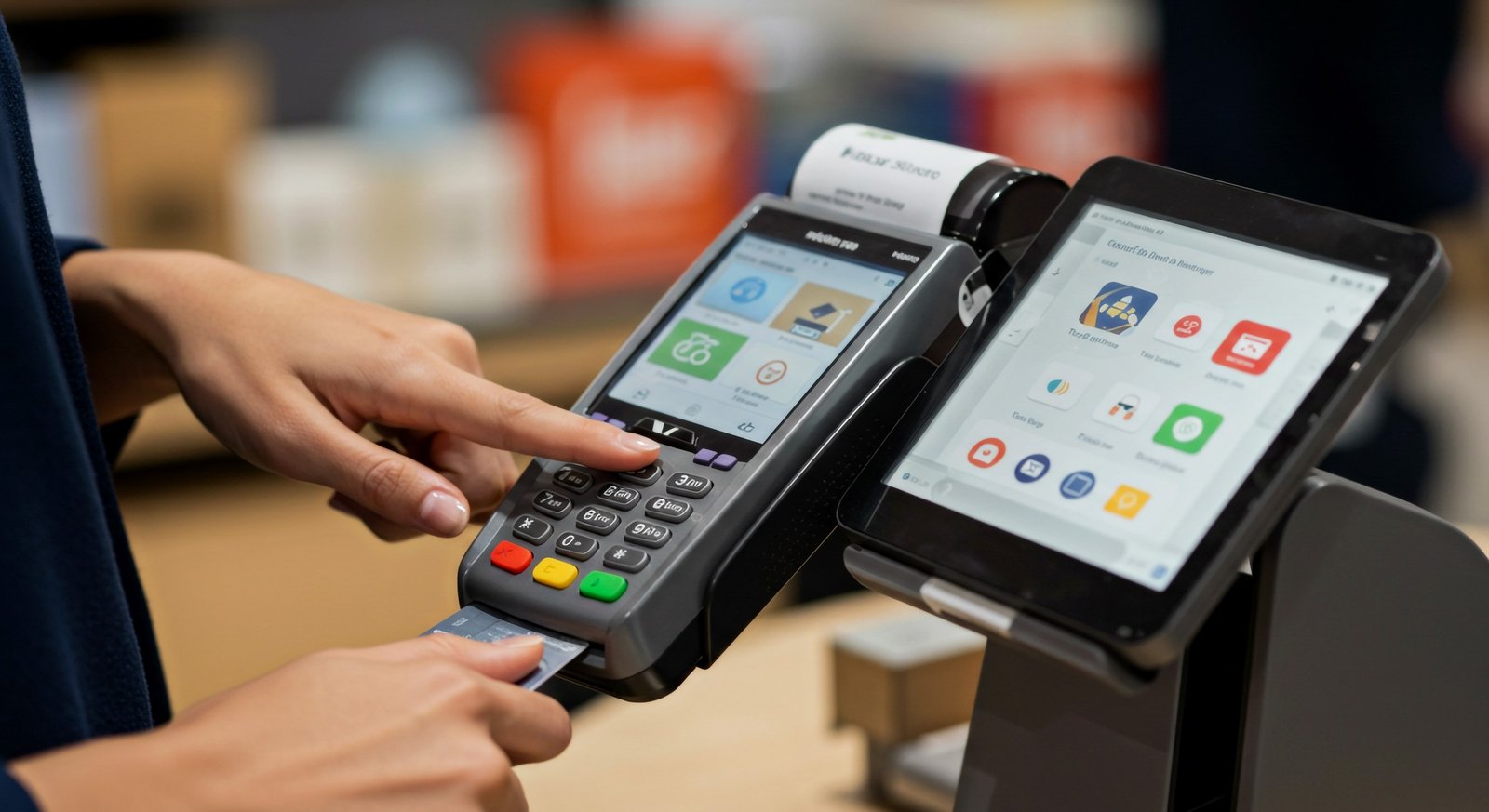
EMV refers to technical standards governing chip-based payment transactions, while NFC describes short-range wireless communication technology. A traditional chip transaction requires the customer to insert a compatible card into the reader, allowing the chip and payment system to exchange information during authorization. NFC allows compatible cards and devices to communicate wirelessly with the terminal through a close-range connection.
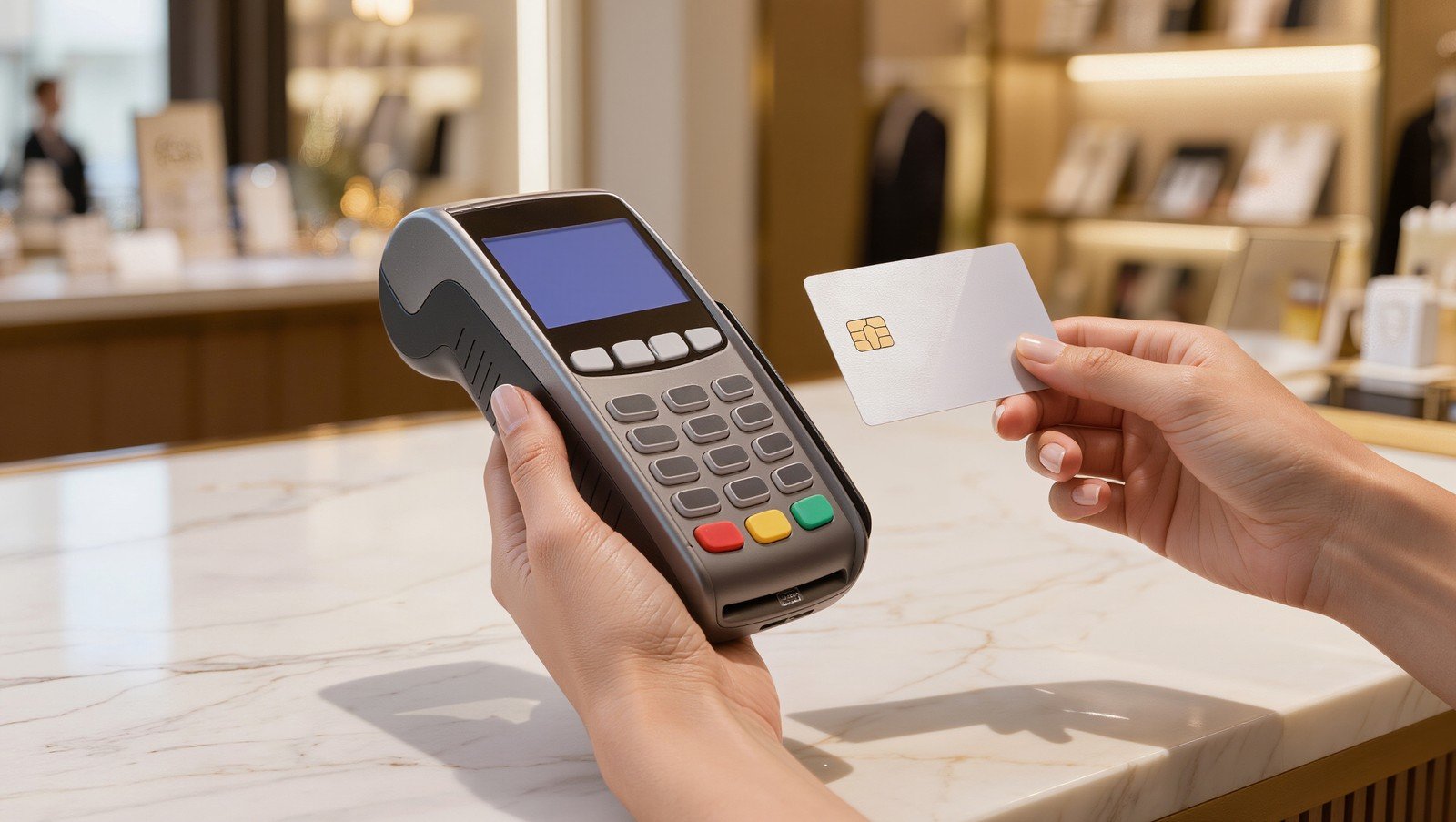
This distinction means EMV and NFC are not necessarily competing technologies because they can work together during contactless payments. A customer can tap an EMV-enabled card against a compatible NFC reader, combining chip-based payment standards with wireless communication. Understanding this relationship helps businesses avoid treating the technologies as completely separate payment options when evaluating modern acceptance equipment.
How EMV and NFC Work Together
The relationship between EMV and NFC becomes especially useful during contactless transactions because compatible payment devices can use wireless communication while following EMV specifications. Customers can tap a card, smartphone, or wearable device against a suitable terminal, allowing payment information to move between devices without physically inserting the card into the reader.
Businesses can benefit from supporting both contact and contactless transactions because customers have different preferences at checkout. Some shoppers prefer inserting cards, while others expect tap-to-pay options through smartphones, watches, or contactless cards. Supporting both methods gives businesses flexibility while reducing friction during busy checkout periods and creating a familiar experience for customers.
How EMV And NFC Affect the Checkout Experience
EMV supports secure chip-based transactions, while NFC makes contactless payments possible through compatible cards and devices. Together, these technologies can help businesses create convenient checkout experiences without sacrificing essential payment security.
Faster contactless interactions can benefit busy businesses, while chip transactions remain useful for customers who prefer inserting cards. Supporting both options gives merchants flexibility and accommodates different customer preferences across everyday payment situations.
Which Payment Technology Should Your Business Choose?
The better choice depends on the type of customers a business serves, its transaction environment, and the capabilities required from its payment equipment. Businesses should evaluate transaction volume, customer preferences, POS compatibility, connectivity, and payment methods before selecting equipment. A modern terminal can support several payment options, making a combined approach practical for businesses seeking flexibility.
A compatible EMV terminal can support chip transactions while also accepting contactless payments when the hardware includes appropriate NFC capabilities. This setup can give merchants a versatile acceptance point without requiring separate equipment for every payment method. Businesses should also review processing costs, equipment requirements, security features, and ongoing support before selecting their payment technology.
Why Modern Businesses Need Contact and Contactless Payments
EMV and NFC technology can complement each other rather than forcing businesses into an either-or decision. Supporting both options can help merchants accommodate traditional chip cards alongside contactless payment preferences, creating a flexible checkout experience. Businesses should focus on selecting dependable equipment and processing services that align with their transaction needs, customer expectations, and plans for future growth.
Suncoast Payments helps businesses understand payment technology and select processing solutions built around practical operating needs. Contact us to discuss your payment setup and explore dependable options with clear communication, fair pricing, and support for your business goals.
Frequently Asked Questions
Is EMV the same as NFC?
No, EMV describes payment standards, while NFC describes wireless communication technology used during compatible contactless payment transactions.
Can one terminal support both technologies?
Yes, compatible payment equipment can support inserted chip cards and contactless payments through NFC capabilities within the same terminal.
Is an EMV NFC card secure?
An EMV NFC card combines chip-based payment standards with contactless communication, supporting secure transactions through compatible acceptance equipment.
Should small businesses accept NFC payments?
Supporting NFC payments can give customers convenient contactless options while helping businesses accommodate changing payment preferences at checkout.