
Quick Summary: EMV technology connects chip cards and compatible payment devices with acceptance equipment through standardized communication and security processes. Chip transactions use dynamic information that helps authenticate payment instruments and reduce counterfeit fraud risks. Modern terminals can also support contactless payments through NFC, giving businesses flexible checkout options across retail, service, hospitality, and other customer-facing environments while supporting dependable payment experiences.
Payment terminals have evolved from simple card readers into sophisticated devices that support secure, flexible, and convenient transactions. EMV technology plays a central role in that change, helping businesses accept chip cards and contactless payments while strengthening transaction security. Understanding EMV terminals across diverse businesses can help merchants choose payment equipment that fits their operations, customers, and long-term processing needs.
Learning the EMV terminal meaning can help business owners understand why chip-based payment acceptance has become such an important part of modern commerce. EMV technology allows payment cards and compatible devices to communicate with acceptance equipment through defined specifications, supporting authentication and transaction security. That process creates a familiar checkout experience while helping businesses handle card-present payments with greater confidence.
What Is an EMV Terminal and How Does It Work?
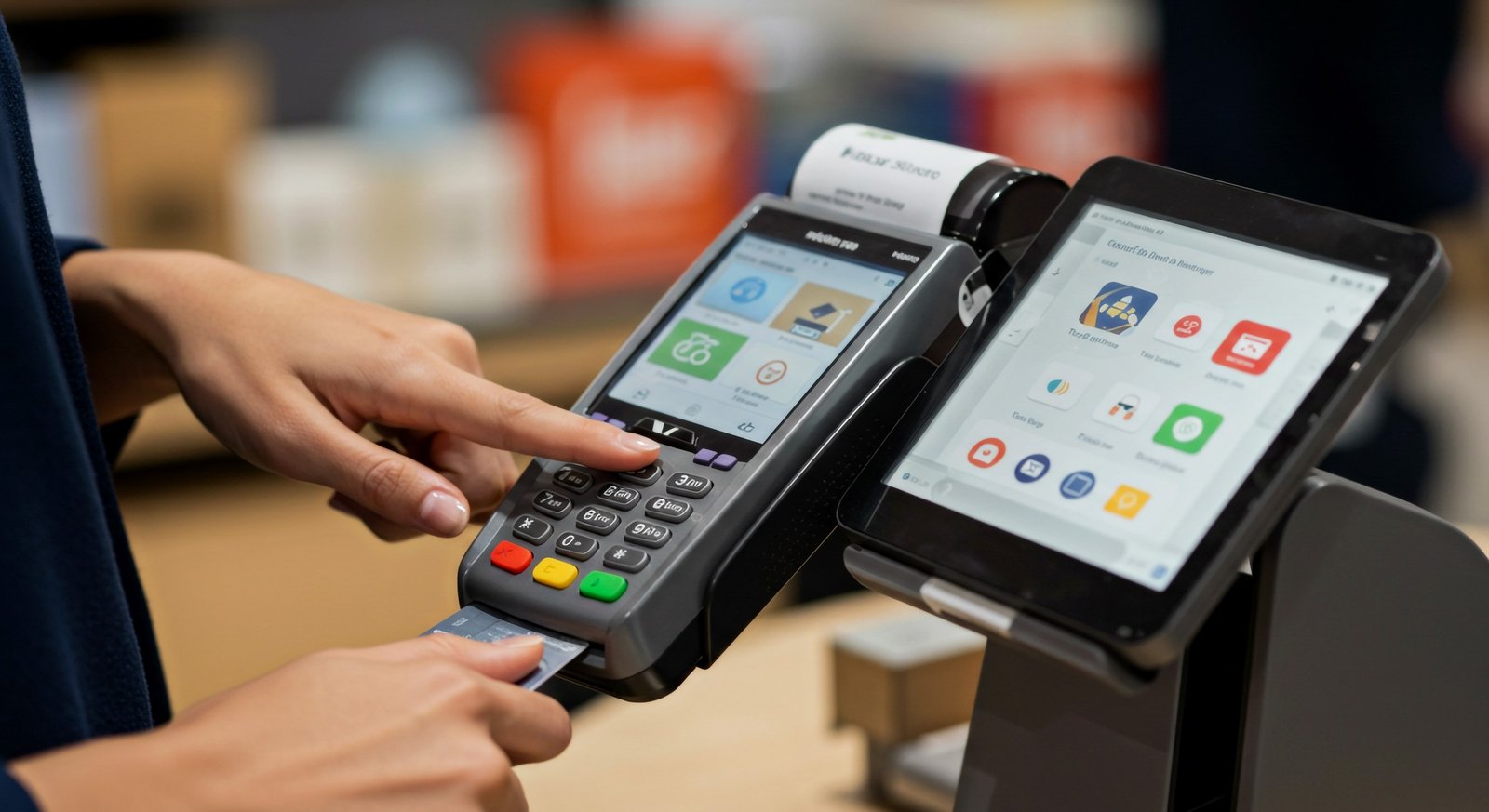
Understanding the EMV terminal meaning starts with recognizing how these devices accept payments through embedded chip technology. Unlike traditional magnetic-stripe transactions, chip-enabled cards communicate directly with compatible payment equipment during checkout. The terminal exchanges transaction information with the payment system to authenticate and authorize the purchase, creating a structured process for handling secure card-present payments across different business environments.
EMV does not simply describe a physical machine sitting beside a checkout counter, because the term also refers to global specifications governing chip-based payment interactions. EMVCo explains that these specifications establish requirements for communication between payment instruments and acceptance terminals, supporting consistent contact and contactless transactions across different markets. That standardization helps connect cards, devices, terminals, issuers, and payment networks.
Understanding What EMV Means for Modern Payments
Understanding what EMV means becomes easier when the technology is viewed as a shared language for payment devices. The acronym historically comes from Europay, Mastercard, and Visa, while EMV now refers to specifications maintained by EMVCo for secure card-based payments. Those specifications cover contact and contactless technologies, creating common technical expectations across participating payment products and systems for businesses today.
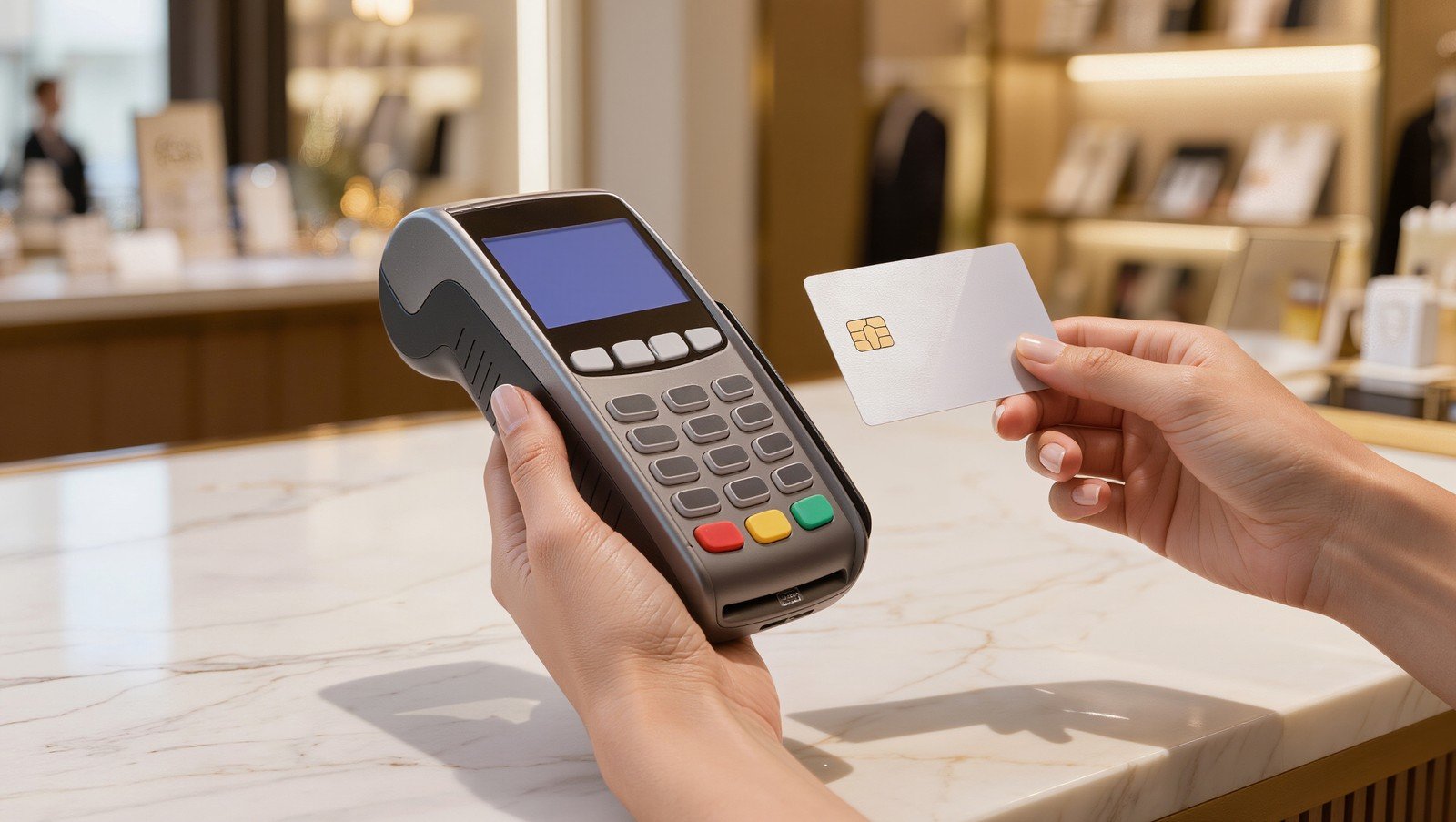
When a customer inserts a chip card, the embedded chip communicates with the payment terminal instead of simply transmitting static magnetic-stripe information. The transaction can generate a unique security code that helps authenticate the payment and reduce counterfeit card fraud. Contactless transactions use similar principles, with compatible cards or NFC-enabled devices communicating wirelessly with the acceptance terminal at checkout today.
How EMV Technology Strengthens Payment Security
A major benefit of chip-based acceptance is stronger protection against certain forms of counterfeit card fraud during in-person transactions. EMVCo explains that chip technology can validate card authenticity and generate a one-time security code for each transaction, making captured transaction information less useful for creating counterfeit payments. This security layer supports safer card-present payment experiences for customers and merchants today.
Modern payment equipment can also support contactless acceptance, allowing customers to tap compatible cards, smartphones, or wearable devices against the reader. Contactless EMV transactions use NFC communication between the payment device and terminal, while generating transaction-specific security information during the process. This approach can support faster checkout experiences while retaining the security principles associated with chip-based payment technology at checkout.
Choosing Payment Equipment for Different Business Needs
The right terminal should match the way customers interact with a business, because payment environments differ significantly across industries. Modern EMV terminals can suit fixed retail locations well, while wireless equipment can better fit businesses that collect payments away from a permanent checkout. Businesses should also consider contactless acceptance, POS integration, transaction volume, connectivity, and operational requirements before selecting equipment.
Payment acceptance needs can also change as a business expands its services, locations, customer base, or transaction channels. A terminal that works well for a small storefront might not suit a growing operation that adds mobile transactions or multiple checkout points. Selecting compatible equipment alongside a dependable merchant account can create a stronger foundation for stable payment acceptance as business needs evolve.
Choosing EMV Payment Solutions for Different Industries
Different served industries can have distinct payment patterns, customer expectations, and operational requirements that influence terminal selection. Retail stores typically need dependable countertop checkout equipment, while restaurants and service businesses can benefit from flexible devices suited to varied customer interactions. Mobile businesses can also require wireless options that support transactions away from a fixed point of sale with customer needs.
The goal should be matching payment technology with real operating conditions instead of choosing equipment based solely on features or appearance. Businesses should examine transaction volume, customer payment preferences, connectivity, POS compatibility, security capabilities, and future growth plans before committing to specific hardware. A thoughtful setup can make daily payment acceptance easier while supporting a consistent customer experience over time.
Building a Payment Processing Setup That Fits
Selecting payment equipment becomes easier when merchants understand the relationship between the terminal, merchant account, processor, and payment networks. The terminal captures payment information, while the broader processing system handles authorization, communication, settlement, and account management. These components need to work together reliably, because equipment alone cannot create a complete payment acceptance solution for a business across different business settings.
Transparent pricing and clear communication also matter when evaluating payment technology, since hardware costs represent only one part of the overall processing arrangement. Merchants should carefully review processing rates, account fees, equipment charges, contract terms, and support options before making a decision. Understanding those details can help businesses avoid hidden fees while choosing payment infrastructure suited to their operational priorities.
Turn Better Payment Knowledge Into a Smarter Setup
At Suncoast Payments, we help businesses understand payment technology, compare processing options, and build dependable merchant account solutions around operating needs and customer expectations.
Contact us to discuss payment processing goals, review your current setup, and explore options designed around transparent pricing, clear communication, dependable support, and sustainable business growth.
Frequently Asked Questions
What security benefit does EMV technology offer?
Chip technology generates transaction-specific security information and authenticates payment devices, helping reduce counterfeit fraud during eligible in-person card transactions today.
Can EMV equipment support contactless payments?
EMV acceptance can support contact and contactless payments, depending on the terminal’s capabilities, configuration, payment applications, and connected processing environment.
How should businesses choose payment equipment?
Businesses should carefully compare connectivity, POS compatibility, transaction volume, contactless capabilities, pricing, support, and future operational requirements before choosing equipment.
Does EMV technology eliminate payment security concerns?
EMV technology strengthens card-present payment security, while broader processor controls, account practices, customer verification, and cybersecurity measures also remain important.