Quick Summary: Mobile payment processing helps growing businesses accept payments anywhere, speed up checkout, lower overhead, and meet customer expectations for tap and wallet payments. It also improves cash flow tracking, expands sales channels, and strengthens security through tokenization and encryption. The main drawbacks include connectivity dependence, device security risks, and fee structures that can hide extra costs. Businesses get the best results by choosing a provider that offers clear pricing, fair rates, secure technology, and reliable support as transaction volume scales.
The benefits of mobile payments go well beyond convenience. As a business grows, it adds locations, staff, sales channels, and customers who all want to pay in different ways. A processing setup that once felt sufficient can start to slow everything down.
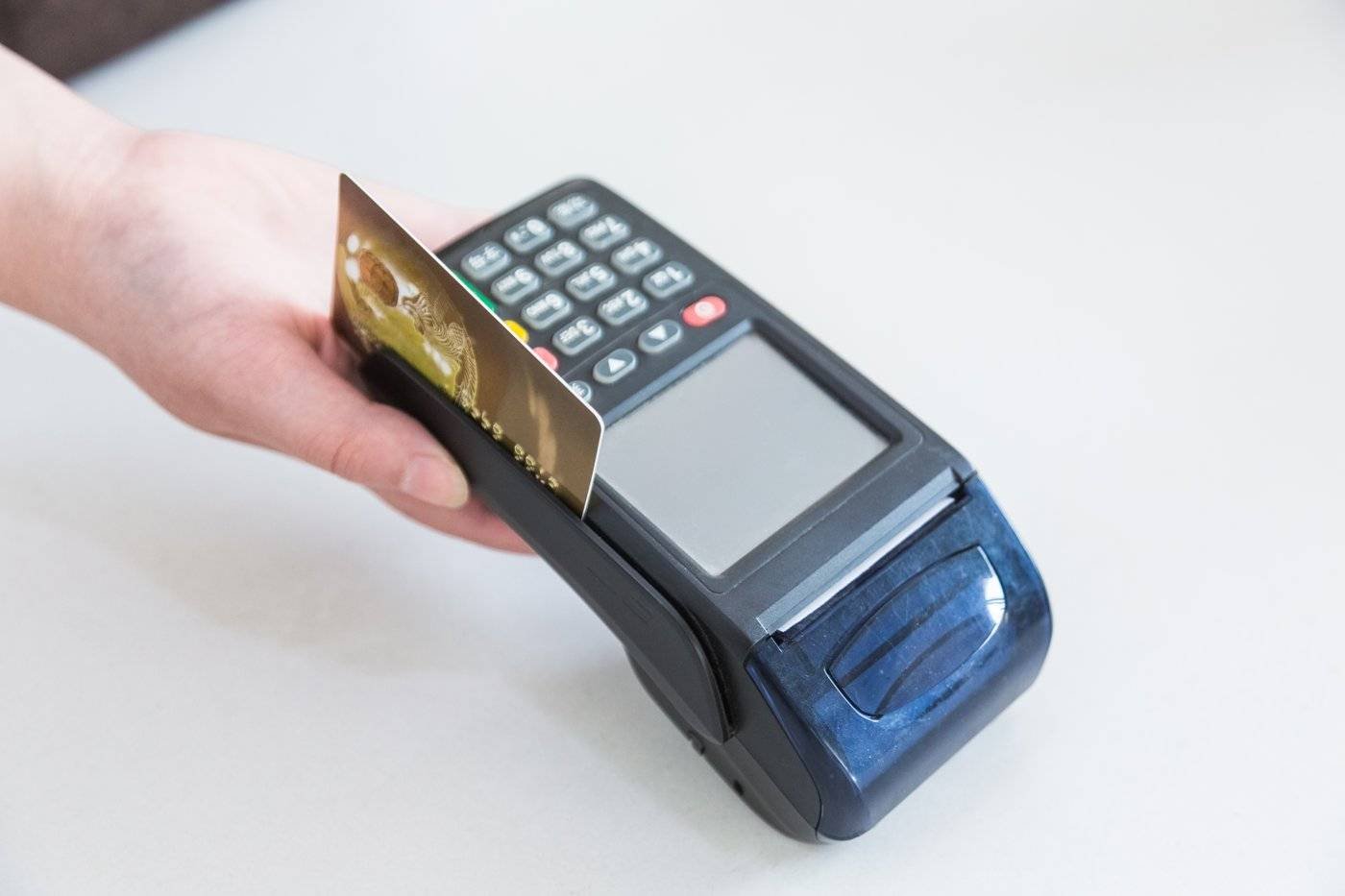
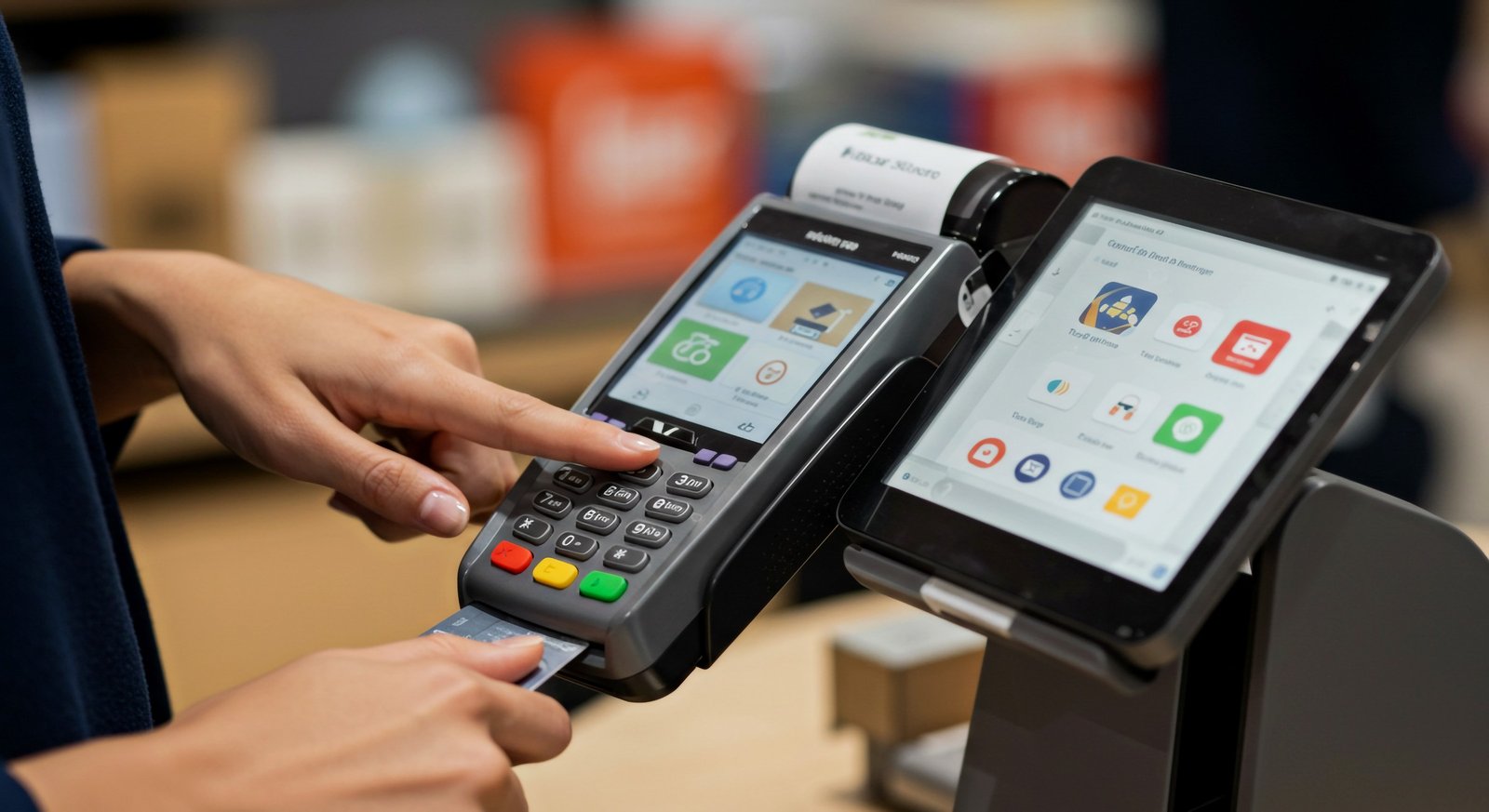
Mobile payment processing gives growing companies a flexible way to accept cards and digital wallets from a phone, tablet, or wireless and mobile terminal, without being tied to a single counter.
At Suncoast Payments, we work with businesses at every stage of growth, and these are the seven benefits we see make the biggest difference.
1. Accept Payments Anywhere
Sales no longer have to happen at a fixed register. Whether you run a pop-up shop, a mobile service, a delivery route, or a trade show booth, a mobile terminal lets you close the sale on the spot. That flexibility also helps during busy periods, because staff can meet customers where the line forms instead of asking them to wait.
2. Faster Checkout and Happier Customers
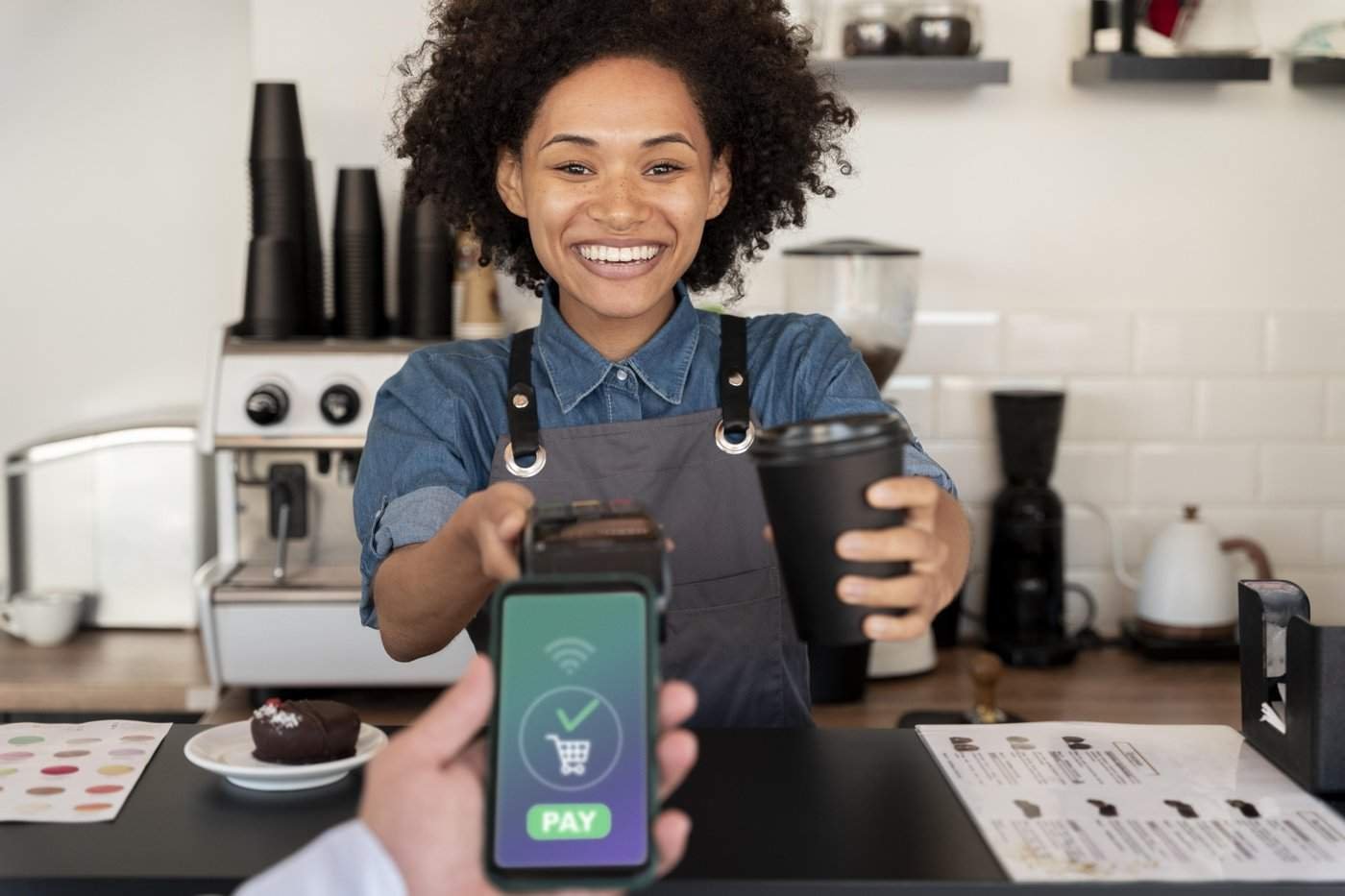
Tap, chip, and digital wallet transactions typically finish in seconds. Shorter waits improve the customer experience and let your team serve more people in the same hours. Tableside payments in restaurants, curbside pickup in retail, and on-site invoicing for service providers all show how speed turns into satisfaction and repeat visits.
3. Lower Overhead and Less Equipment
Traditional setups often require a dedicated terminal, a phone line, and a permanent spot on the counter. Mobile processing can reduce that burden, since one portable device may replace several fixed ones. Pricing still varies by provider, so look at the full picture: processing rates, monthly fees, and contract terms.
4. Meeting Modern Customer Expectations
Shoppers increasingly expect to tap a card, a phone, or a watch. The Federal Reserve’s payments research tracks the continued growth of electronic payments, and businesses that cannot accept them risk looking out of step. Offering the payment methods your customers already use signals professionalism and removes a common reason for abandoned purchases.
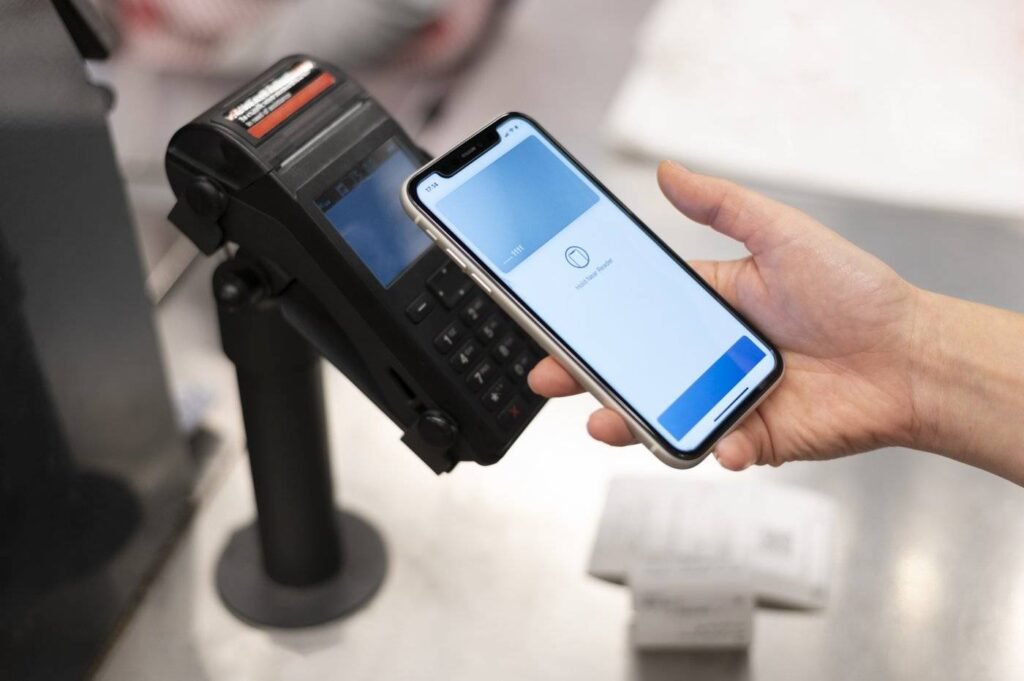
5. Real-Time Sales Data and Cash Flow Visibility
Mobile payment systems record every sale as it happens, which gives you a live view of daily revenue, top-selling items, and your busiest hours. That information supports smarter decisions about staffing, purchasing, and pricing.
6. Stronger Security Than Manual Methods
Modern mobile processing relies on EMV chip technology, encryption, and tokenization, which replaces sensitive card numbers with unusable substitutes. Compared with handwritten card details or manual entry, these protections reduce exposure to fraud. Look for providers that follow the standards of the PCI Security Standards Council and offer fraud and chargeback protection as part of the service.
7. Room to Scale as You Grow
Mobile processing grows with you. Adding a new location, a seasonal stand, or another employee often means activating one more device rather than rebuilding your system. Because stable, scalable processing keeps working as volume rises, you can say yes to growth opportunities without wondering whether your payments setup can keep up.
Mobile Payment Advantages and Disadvantages
No payment method is perfect, so it helps to weigh the mobile payment advantages and disadvantages honestly. The advantages are the seven listed above. The disadvantages are manageable when you plan for them:
- Connectivity dependence: A weak signal can interrupt sales. Choose devices that support both Wi-Fi and cellular, and keep a backup option available.
- Device security: Portable hardware can be lost or stolen. Use screen locks and PINs, and ask whether your provider can disable a missing device remotely.
- Fee structures: Flat-rate pricing is simple but can cost more as volume grows, and some plans add charges for keyed or online transactions. Request a full fee schedule in writing.
- Fraud and chargebacks: Card-not-present sales carry higher risk. Strong fraud tools and clear processes for responding to disputes protect your revenue.
- Staff training: New tools require a short learning curve, so build a quick onboarding routine for every team member.
Grow Your Business With Suncoast Payments
If you are ready to take payments faster, safer, and with no hidden fees, we are ready to help. At Suncoast Payments, our team combines industry knowledge with personalized service, so you always know what you pay and who to call.
Explore our merchant accounts and processing solutions and build a payments setup that grows with us beside you.
Frequently Asked Questions
What are the main benefits of using mobile payment processing?
The main benefits include accepting payments anywhere, faster checkout, lower equipment needs, real-time sales data, stronger security, and easier scaling. Together, these help growing businesses serve more customers with less friction and better cash flow visibility.
What are the disadvantages of mobile payments?
The main disadvantages are dependence on a connection, the risk of lost or stolen devices, fees that may increase with volume, and higher fraud exposure on card-not-present sales. Backup connectivity, device security, and clear pricing reduce these risks.
Is mobile payment processing safe for my customers?
Yes, when it uses EMV chip technology, encryption, and tokenization. These tools protect card data during each transaction. Working with a provider that follows PCI standards adds another layer of protection.