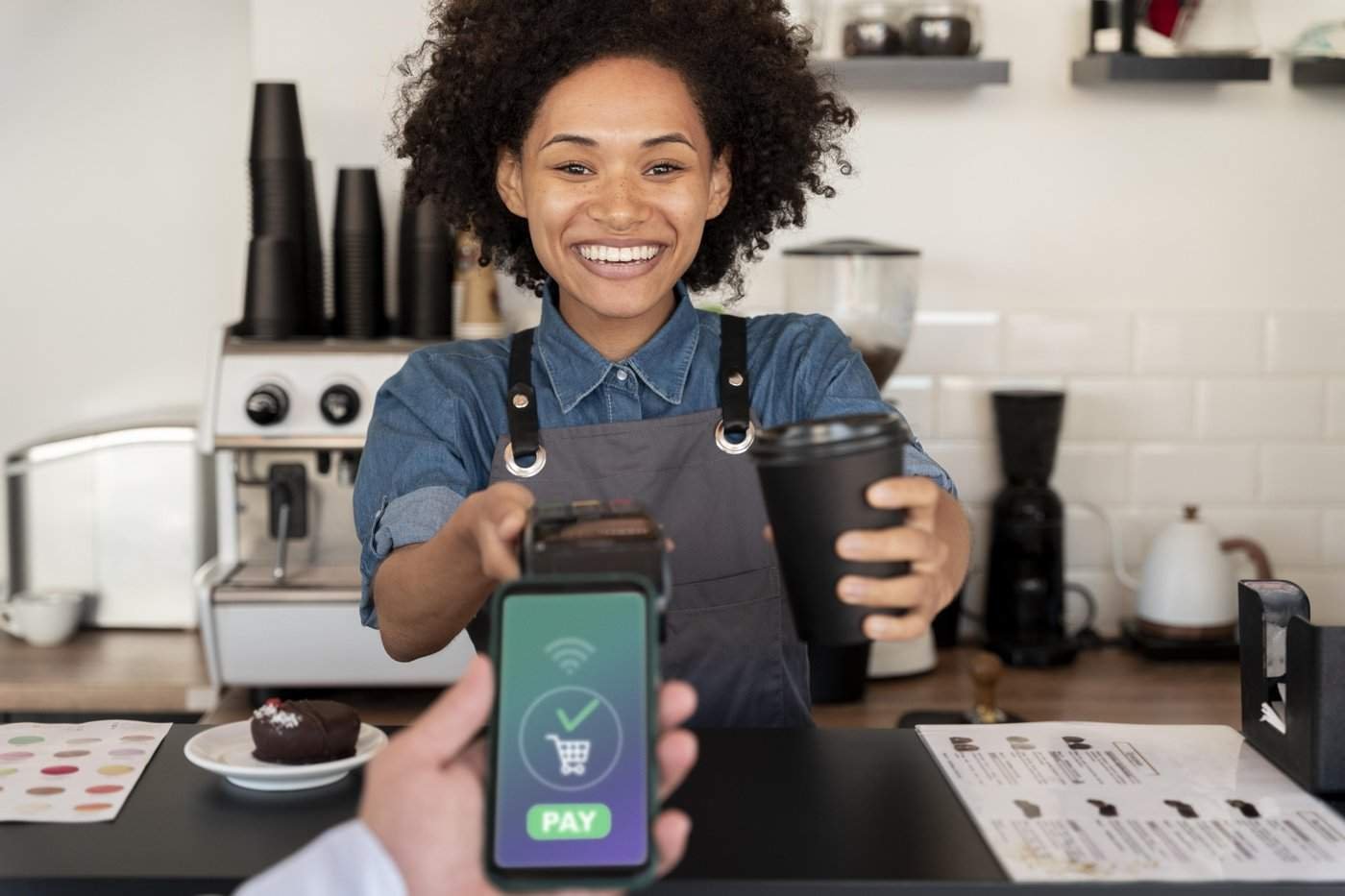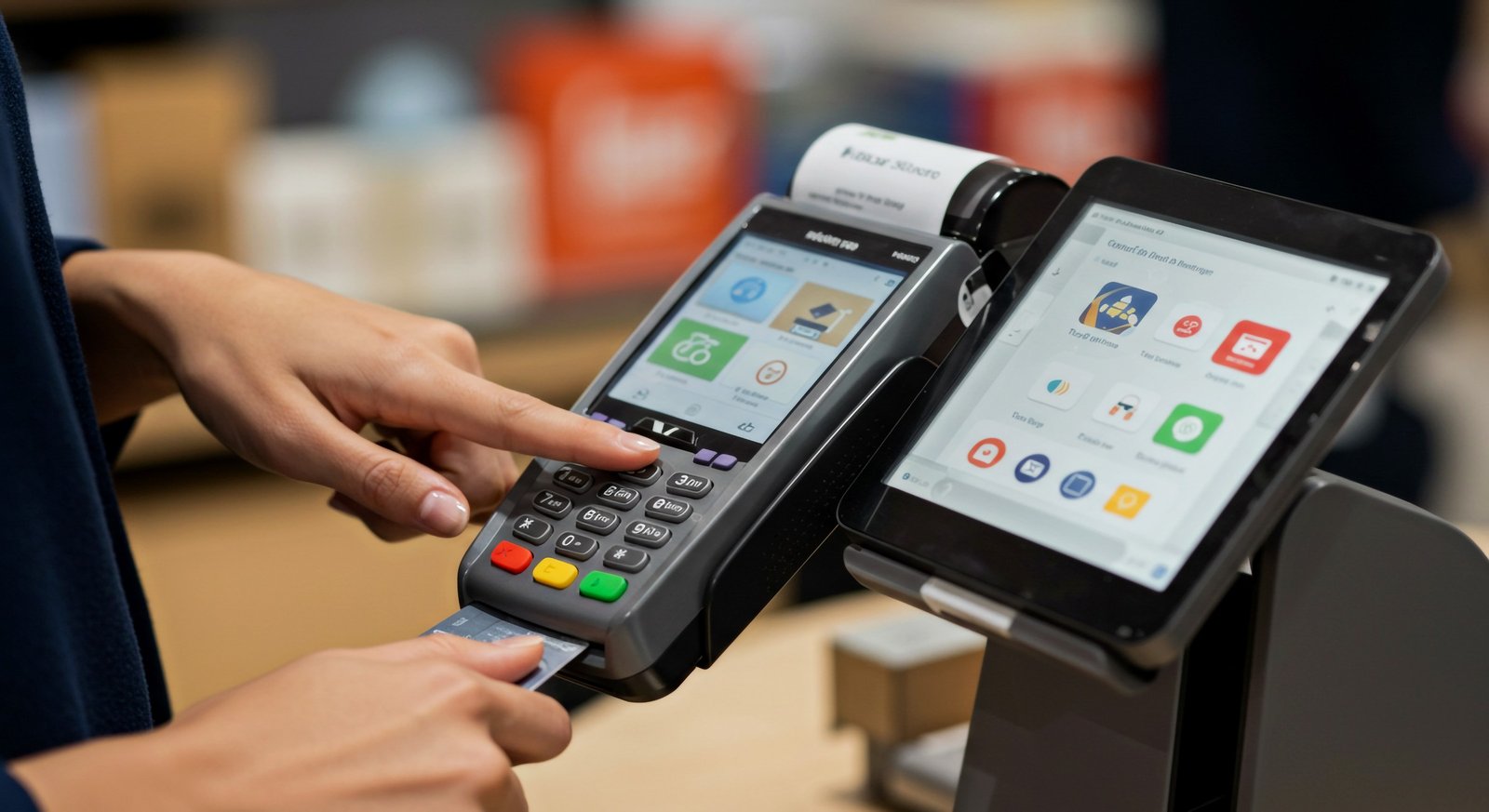
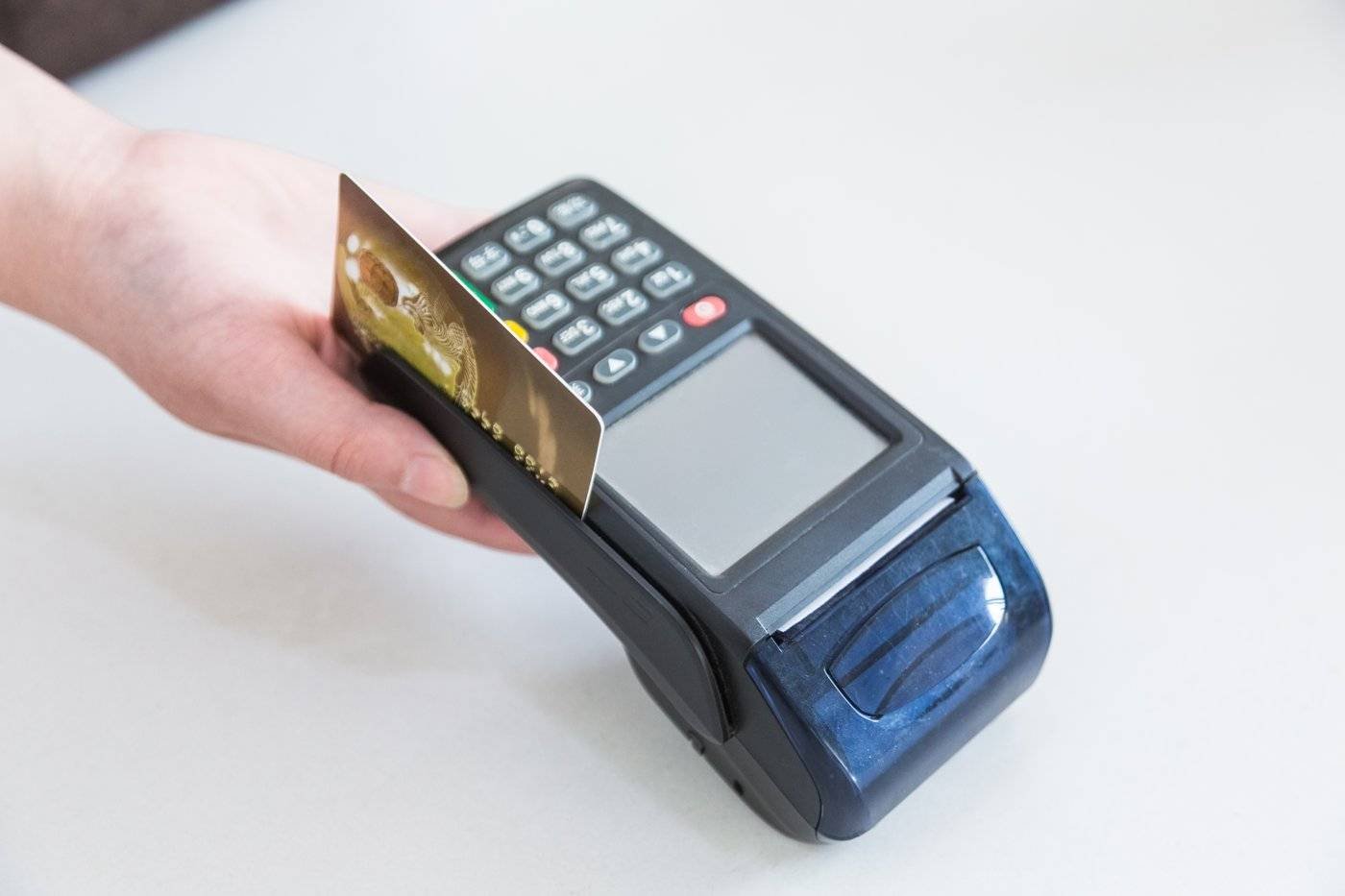
Quick Summary: A mobile payment terminal is a portable device that accepts chip, tap, and swipe payments wherever your customers are. Wireless models connect through Wi-Fi, cellular, or Bluetooth, and many include built-in barcode scanners for faster checkout and inventory control. The mobile terminal price depends on hardware, processing rates, and monthly fees, so total cost matters more than the sticker price. Choose a terminal with transparent pricing, strong encryption, reliable connectivity, and responsive support, and confirm that your provider discloses every fee before you sign.
Customers expect to pay however they like, wherever they are. Mobile terminals make that possible by turning a handheld device into a complete payment station, whether you run a food truck, a salon, a retail pop-up, or a service business that works in the field.
For many owners, though, the details feel murky. What does a mobile terminal actually cost? Can a wireless model scan barcodes? Which features matter, and which are filler? At Suncoast Payments, we believe the answers should be clear before you commit to anything.
Here is what every business should know before choosing a mobile payment terminal.
What Are Mobile Payment Terminals?
A mobile payment terminal is a portable card reader or all-in-one device that accepts payments by chip, tap, or swipe and sends each transaction to your processor for approval. Unlike a countertop unit tied to a power outlet and a phone line, a mobile terminal runs on a rechargeable battery and connects wirelessly. Some models pair with a smartphone or tablet through Bluetooth. Others are standalone smart terminals with their own screen, receipt printer, and operating system.
Wireless and Mobile Terminals: How They Connect
Wireless and mobile terminals typically connect in one of three ways. Wi-Fi works well inside a store or office where a stable network is available. Cellular connectivity, usually through a 4G or 5G data plan, keeps you running at markets, job sites, and delivery stops. Bluetooth pairs a compact reader with a phone or tablet that handles the data connection.
Each option involves trade-offs. Wi-Fi is inexpensive but limits where you can work. Cellular adds a data plan but gives you freedom. Many modern devices support both and switch automatically when one signal weakens.
Mobile Terminal Barcode Scanners: When They Matter
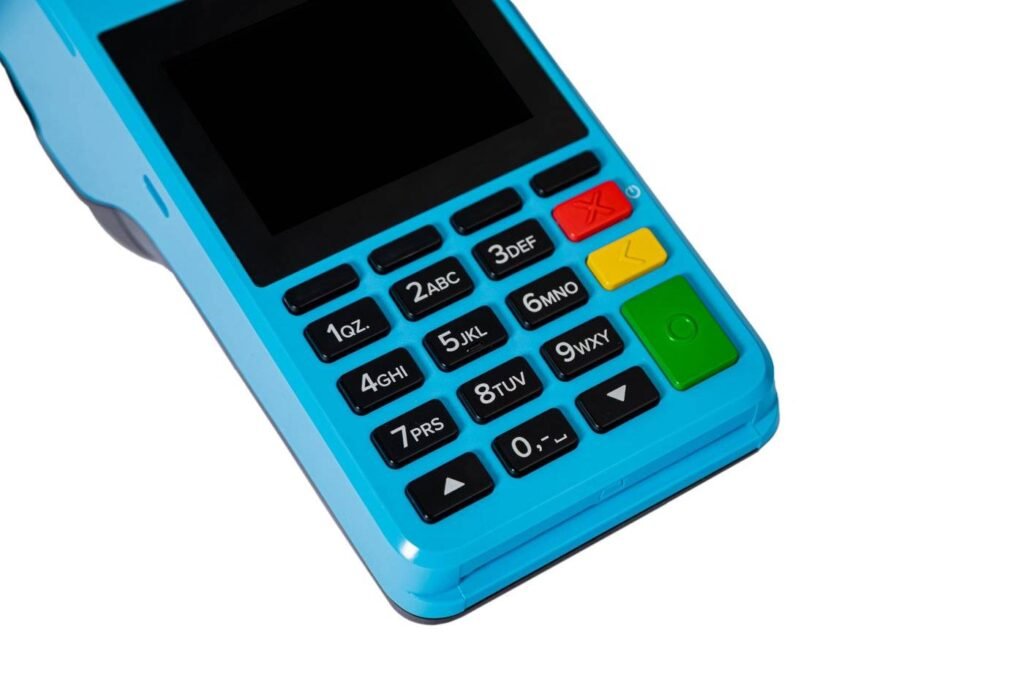
A mobile terminal barcode scanner is built-in hardware or a paired accessory that reads product codes so items ring up instantly. For retailers, scanning removes manual entry, reduces pricing errors, and keeps inventory counts accurate. A boutique owner moving across a crowded sale floor can scan items on the spot and close the sale without sending the customer to a register.
Not every business needs one. A consultant, a mobile detailer, or a restaurant that takes tableside payments may never scan a product. If you do carry inventory, confirm that the scanner integrates with your point-of-sale software and that the terminal can handle the size of your catalog.
Understanding Mobile Terminal Price
Mobile terminal price is rarely a single number, and this is where hidden costs tend to appear. Hardware varies widely, from basic pocket readers to full smart terminals with printers and scanners. Beyond the device itself, weigh these factors:
- Purchase, lease, or free placement: Leasing can look inexpensive upfront but often locks you into a long contract, while buying outright gives you ownership and flexibility.
- Processing rates: Interchange-plus, flat-rate, and tiered pricing can produce very different monthly totals on the same sales volume.
- Monthly and annual fees: Software, gateway, statement, and compliance fees can quietly add up.
- Cellular data plans: Some terminals bundle connectivity, while others charge separately.
- Early termination fees: Ask what it costs to leave if the service falls short.
Security Features Worth Insisting On
A portable device carries real security responsibility. Look for EMV chip support, contactless acceptance, and point-to-point encryption, which scrambles card data from the moment of the swipe so it never sits in readable form on your device. Tokenization adds another layer by replacing card numbers with unusable substitutes.
Your terminal should also support the data protection standards maintained by the PCI Security Standards Council. Ask your provider whether the device is PCI-approved and whether it receives regular firmware updates. Simple habits such as screen locks, strong passwords, and keeping devices within sight further reduce the risk of loss or tampering.
Take Payments Anywhere With Suncoast Payments
Ready to accept payments anywhere without worrying about hidden fees? At Suncoast Payments, we help businesses choose wireless and mobile terminals with clear pricing, secure technology, and support from people who know your business. Our team will walk you through your options and show you every cost upfront. Visit our website to talk with us today and find the right terminal for your business.
Frequently Asked Questions
What is a mobile payment terminal?
A mobile payment terminal is a portable device that accepts chip, tap, and swipe payments and connects to a payment processor wirelessly. It lets you take payments at events, in the field, or anywhere in your store, instead of at a single fixed register.
How much does a mobile terminal cost?
Mobile terminal price depends on the hardware, whether you buy or lease, your processing rates, and monthly fees. Basic readers cost less than full smart terminals. Compare the total yearly cost, including all fees, rather than the device price alone.
Do mobile terminals work without Wi-Fi?
Yes. Many models use a cellular data connection or pair with a phone through Bluetooth. Some can store transactions offline and process them later, though offline approvals carry added risk, so ask your provider how that feature works.